In this part of the world, tea is rarely just a drink. It is an invitation, a conversation, a ritual and, quite often, the first step toward understanding a culture.
Most travelers don’t remember the first cup of tea they drink after arriving in Central Asia or the Caucasus. They remember the second.
The first usually comes immediately after a long flight, somewhere between collecting luggage and checking into a hotel. You’re tired, slightly disoriented and still adjusting to a new country.
The second cup is different. Perhaps you’re sitting beneath grapevines in a shaded courtyard in Bukhara. Perhaps you’ve stopped at a roadside café in Azerbaijan while driving through the mountains. Maybe you’re sharing a meal with a Kyrgyz family near Song-Kul Lake or waiting for freshly baked bread in a village guesthouse in Tajikistan.
At some point, someone places a teapot on the table. And without realizing it, you’ve just become part of one of the region’s oldest traditions.
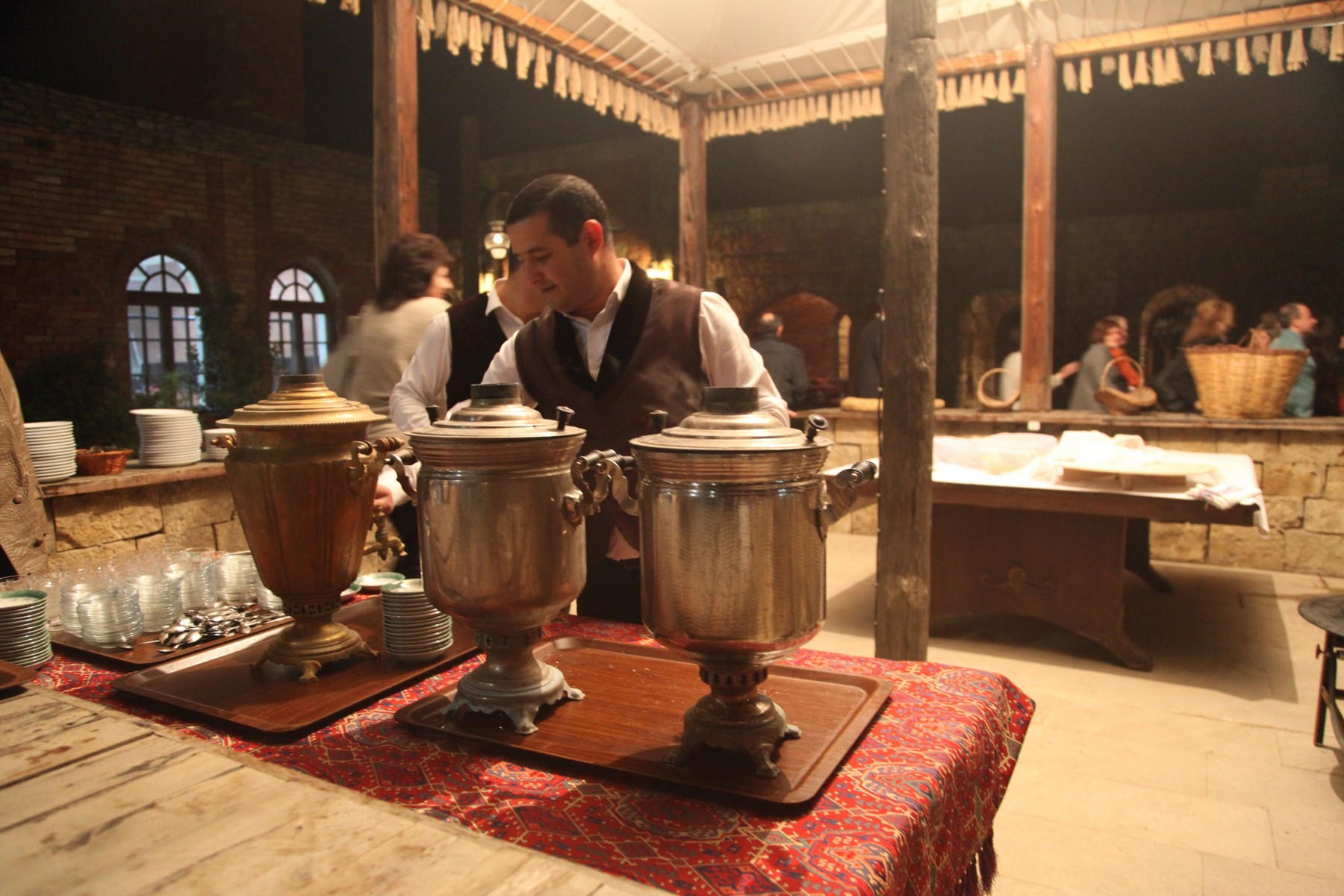
Breakfast begins with tea. Lunch includes tea. Dinner is almost unimaginable without it. Guests are welcomed with tea. Business meetings begin with tea. Family celebrations revolve around tea. Yet the drink itself is only a small part of the experience. The real purpose is bringing people together.
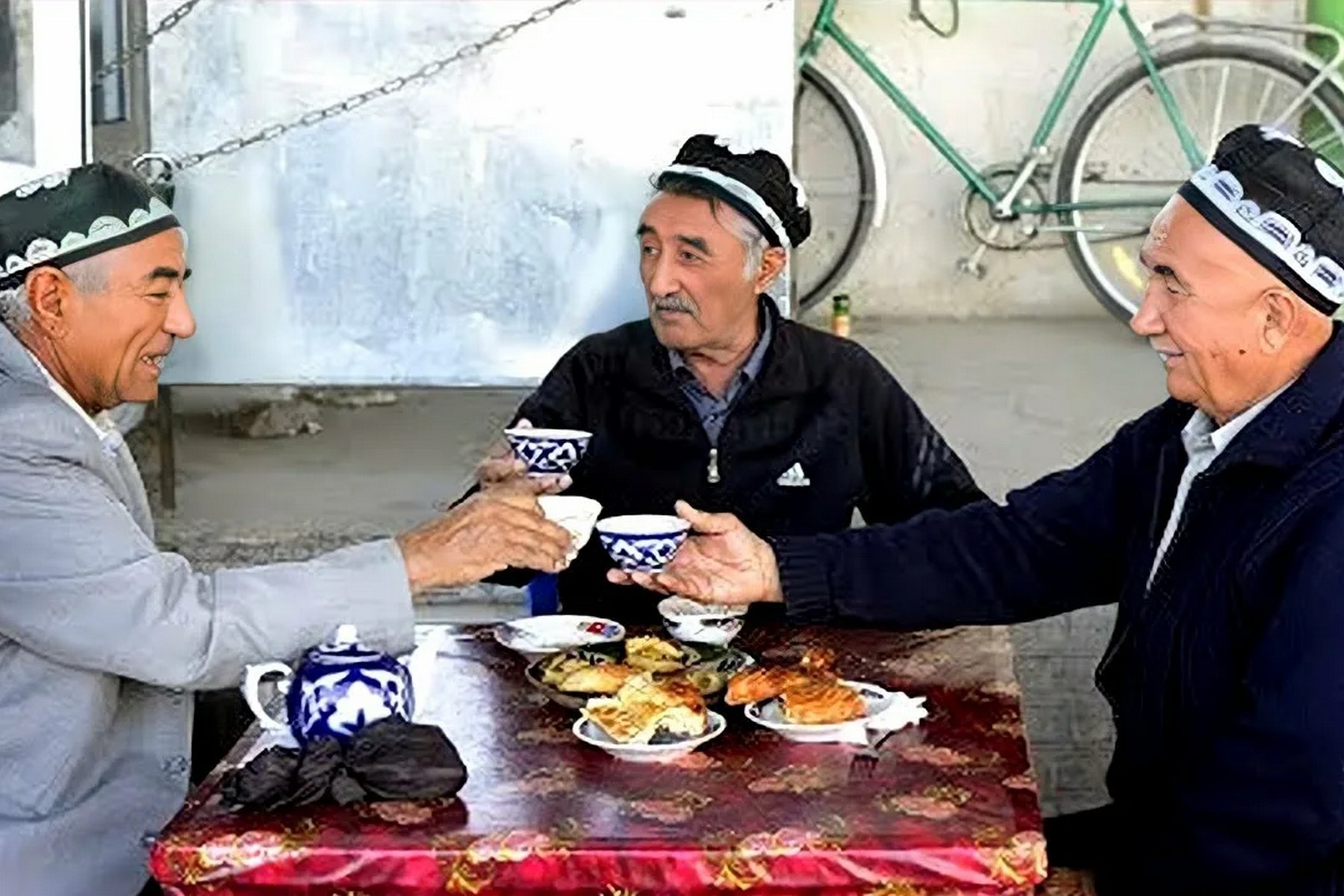
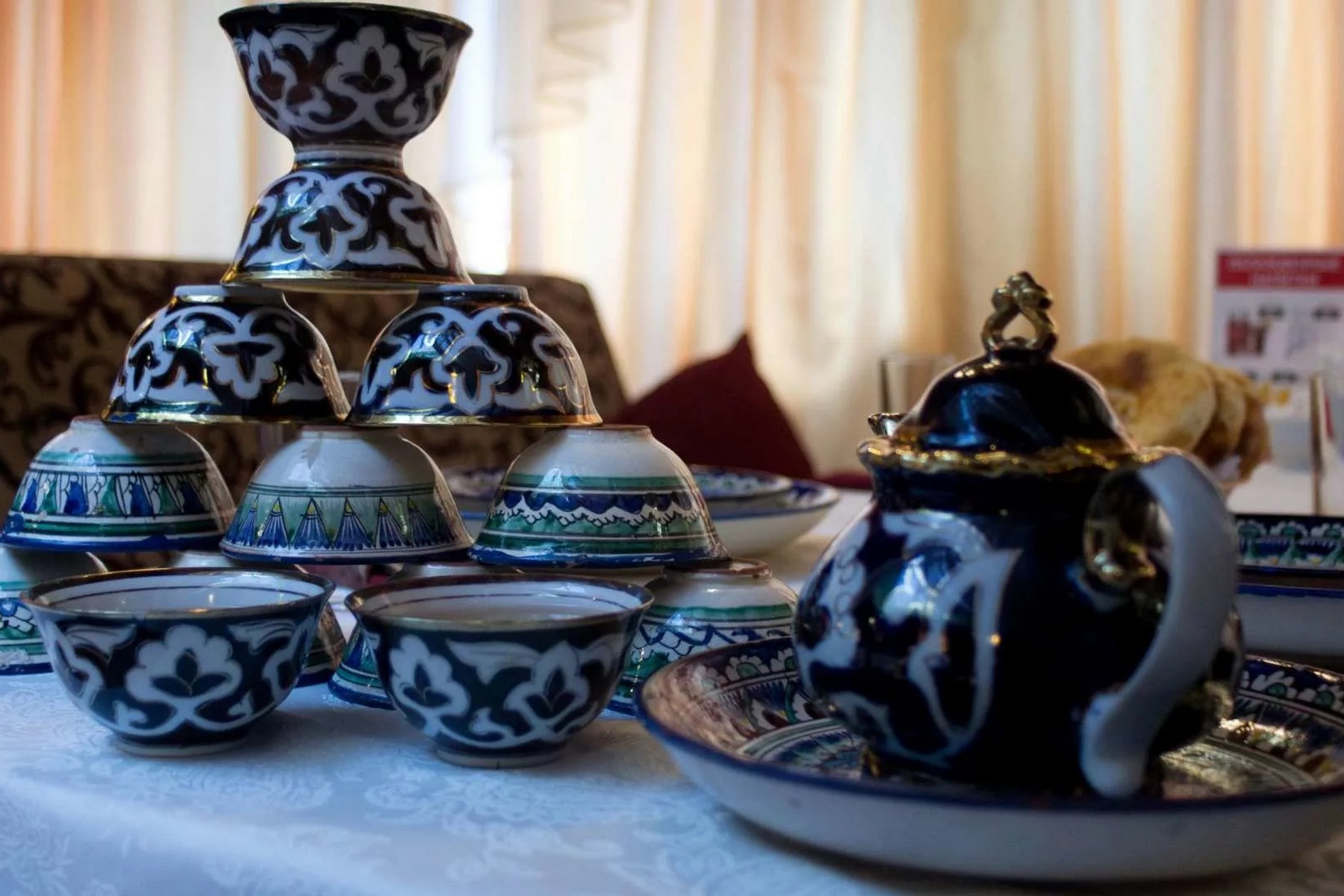
In Uzbekistan, tea is traditionally poured into small bowls called pialas rather than into large cups. One custom often puzzles visitors: the host may deliberately pour only a small amount.
At first glance, it can seem like an incomplete serving. In reality, it’s a gesture of respect.
A partially filled bowl allows the host to refill it frequently, creating a continuous interaction between the guest and the person serving the tea. The ritual isn’t about efficiency. It’s about attention.
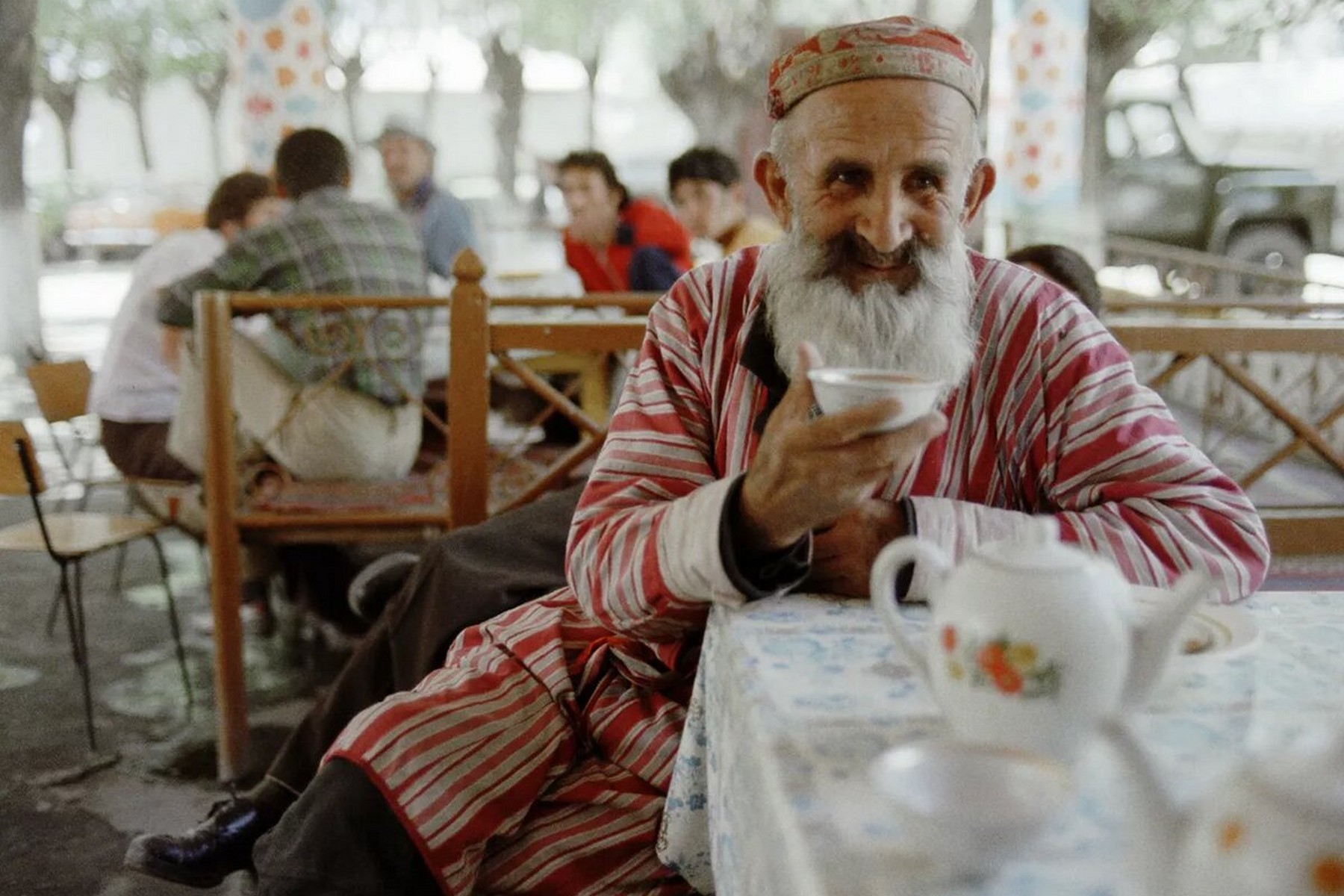
In Bukhara, traditional tea houses still provide one of the best opportunities to slow down and observe everyday life. Tourists often rush from one monument to another, while local customers can spend hours sitting beneath the trees, discussing family matters, sharing news or simply enjoying the cooler hours of the day.
Nothing seems hurried. Time moves differently.
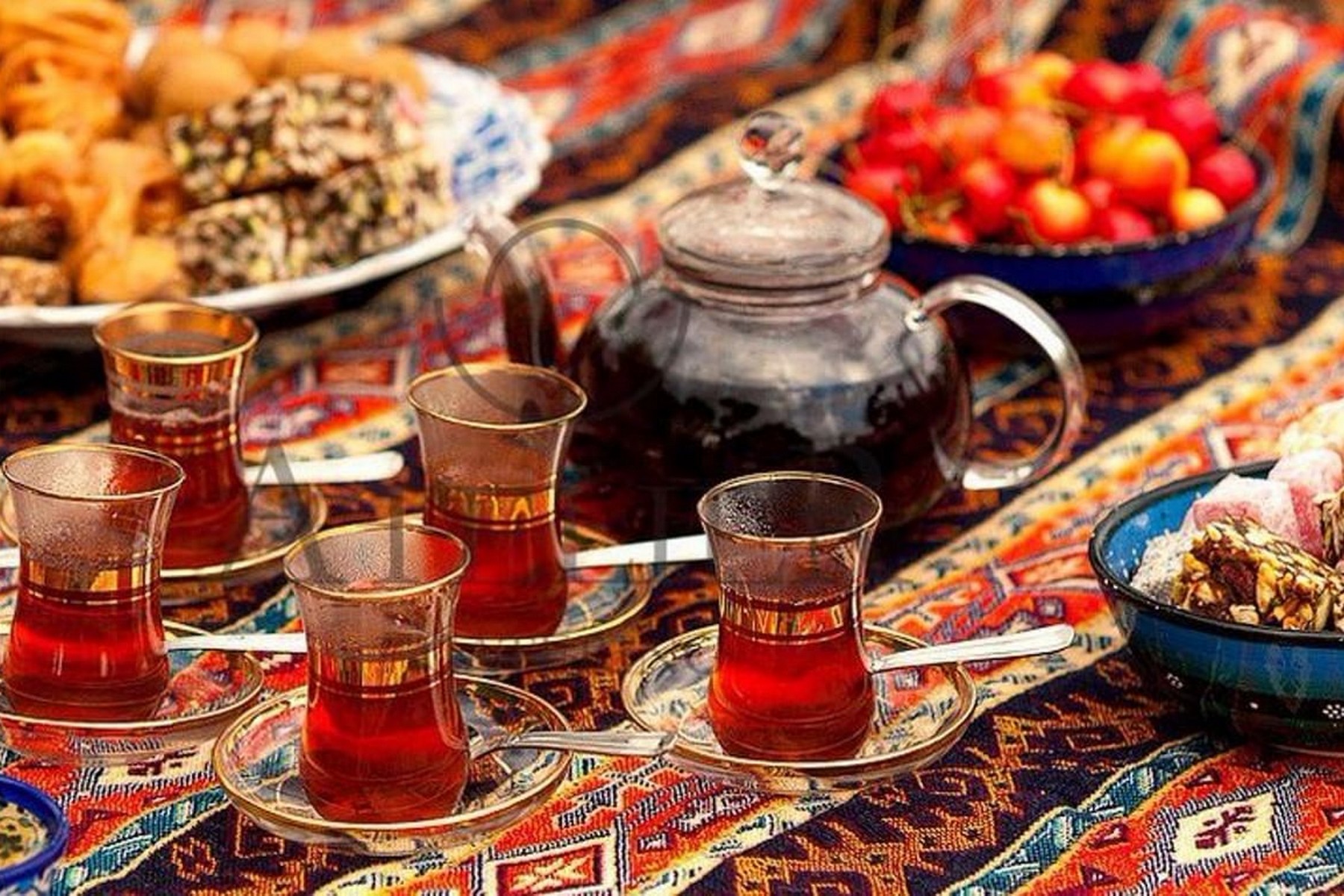
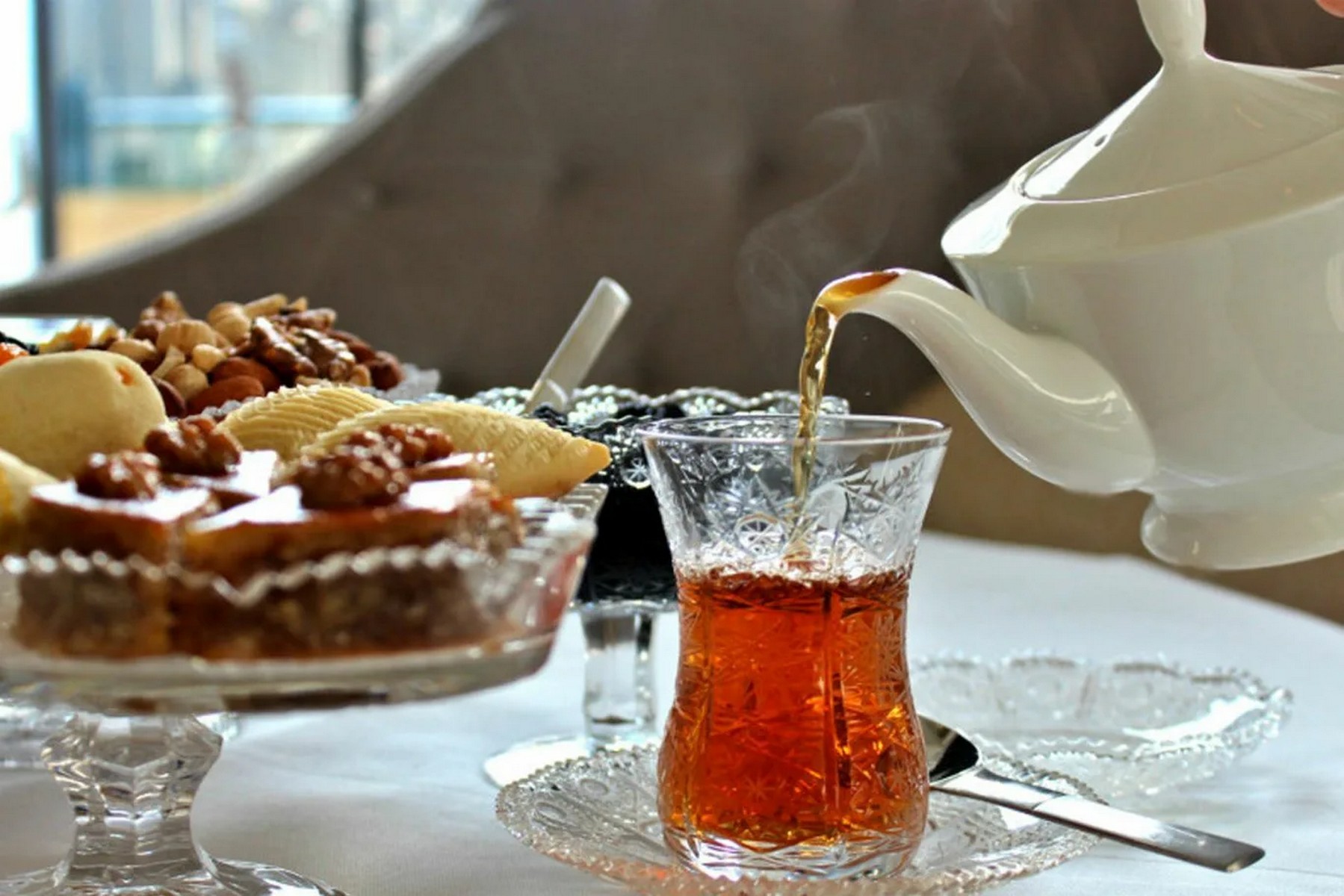
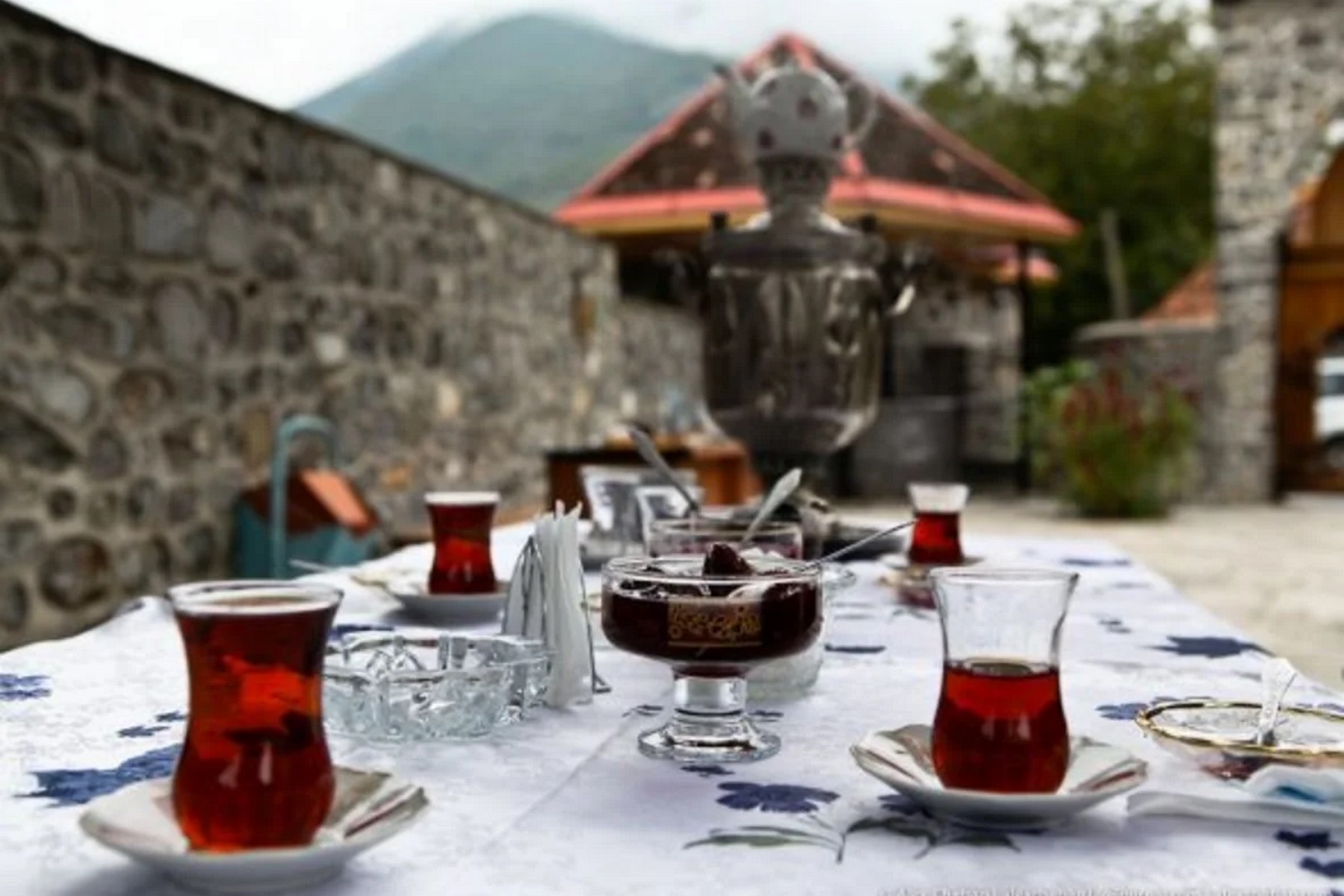
In Azerbaijan, tea occupies an even more symbolic role. It is almost impossible to visit someone’s home without being offered a glass of black tea served in a distinctive pear-shaped glass known as an armudu. The shape isn’t accidental. The narrow middle helps retain heat while allowing the upper portion to cool more quickly, making the tea easier to drink.
Traditionally, tea is accompanied by jam, dried fruit, nuts or sweets. And there is another interesting detail that many visitors never notice.
In some households, sugar isn’t stirred directly into the tea. Instead, a small piece is held between the teeth while sipping. This custom dates back centuries and still survives in some families today. Tea also carries a social language.
In Azerbaijan, many locals will tell you that if tea appears on the table, the conversation isn’t over. Another round often means the host would like you to stay a little longer.
Further east, in Kyrgyzstan, tea accompanies a very different landscape. Spend the night in a yurt, and you’ll quickly discover that tea becomes part of the rhythm of nomadic life. After hours spent riding horses, hiking through mountain valleys or helping gather livestock, everyone eventually gathers around a low table.
A kettle appears. Cups are passed around. Stories begin. The vast landscapes outside the yurt suddenly feel much smaller and much more intimate.
In Tajikistan, tea houses remain important social spaces, particularly in smaller towns and villages.
A traditional chaikhana isn’t simply a place to eat or drink. It functions as a community gathering place where conversations can continue for hours. Travelers expecting quick service occasionally find the experience frustrating. The misunderstanding usually comes from different expectations.
In many parts of the world, restaurants are designed for turnover. A tea house was never intended to work that way. The purpose isn’t to serve as many customers as possible. The purpose is to create a place where people gather.

Perhaps that explains why some of the most memorable travel experiences happen around a teapot rather than at a famous landmark. You might forget the exact dimensions of a medieval madrasa.
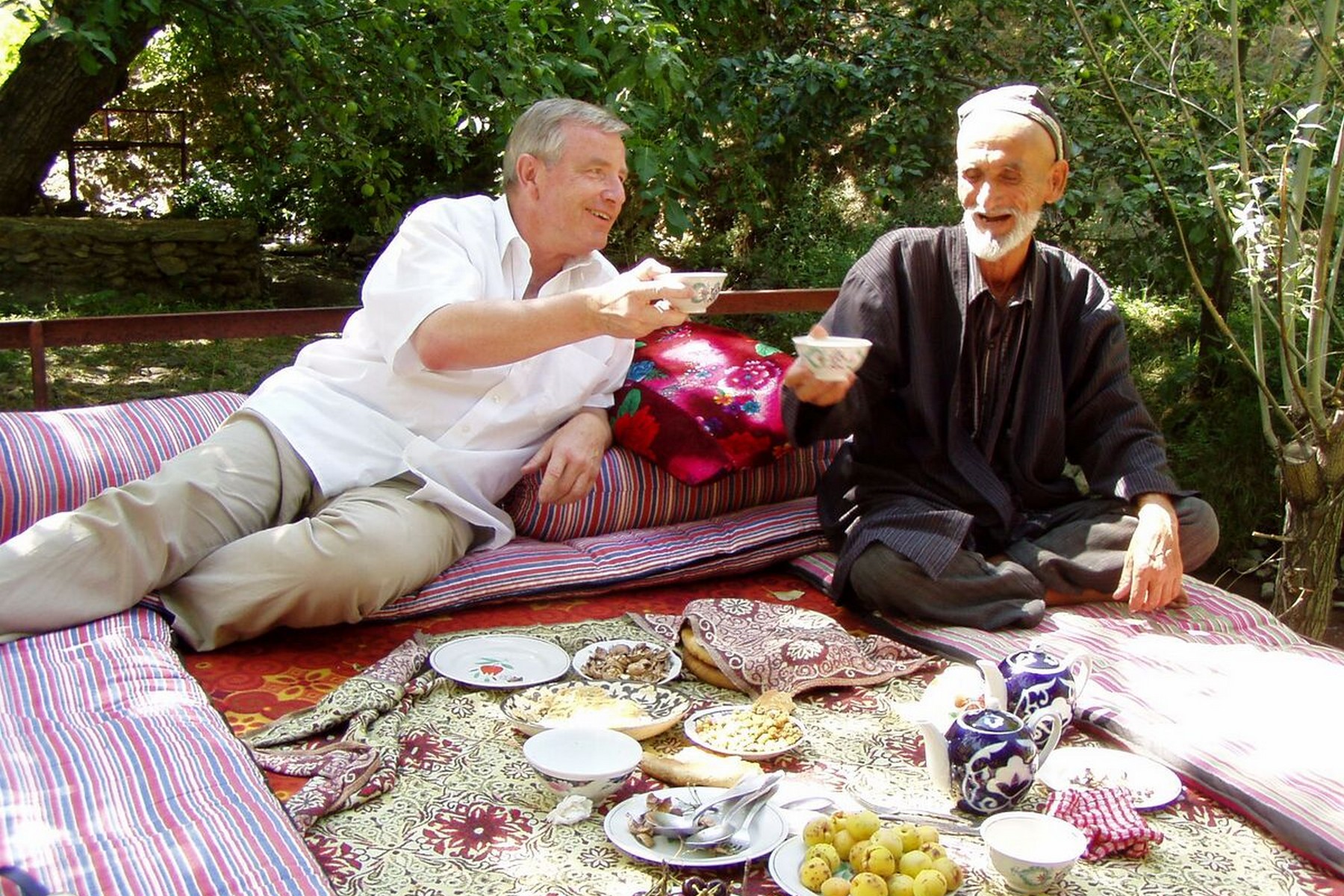
You probably won’t remember the price of your entrance ticket to a fortress. But years later, you may still remember the elderly man who insisted that you join him for tea in a village courtyard. Or the guesthouse owner who kept refilling your cup while explaining local customs. Or the mountain shepherd who invited you into his yurt because a thunderstorm was approaching.
Travel guides usually tell us what to see. Tea teaches us how to slow down long enough to actually experience it. Because in Central Asia and the Caucasus, tea is never only a beverage.
It is hospitality served in its purest form.