There is a simple habit that quietly separates experienced travellers from ordinary tourists. It has nothing to do with expensive cameras, luxury hotels or secret itineraries. It is simply this:
Wake up early.
Not because you’ll have more time to see attractions, but because you’ll experience an entirely different country. Across Central Asia and the South Caucasus, mornings reveal places that almost disappear once the day begins. Markets awaken, neighbourhoods come alive, mountains slowly emerge from the mist, and famous monuments belong, if only for an hour, to the people who live beside them rather than those who have travelled to admire them.
For travellers willing to leave the hotel before breakfast, the reward is not just better light for photographs.
It is a glimpse into everyday life. Take Samarkand.
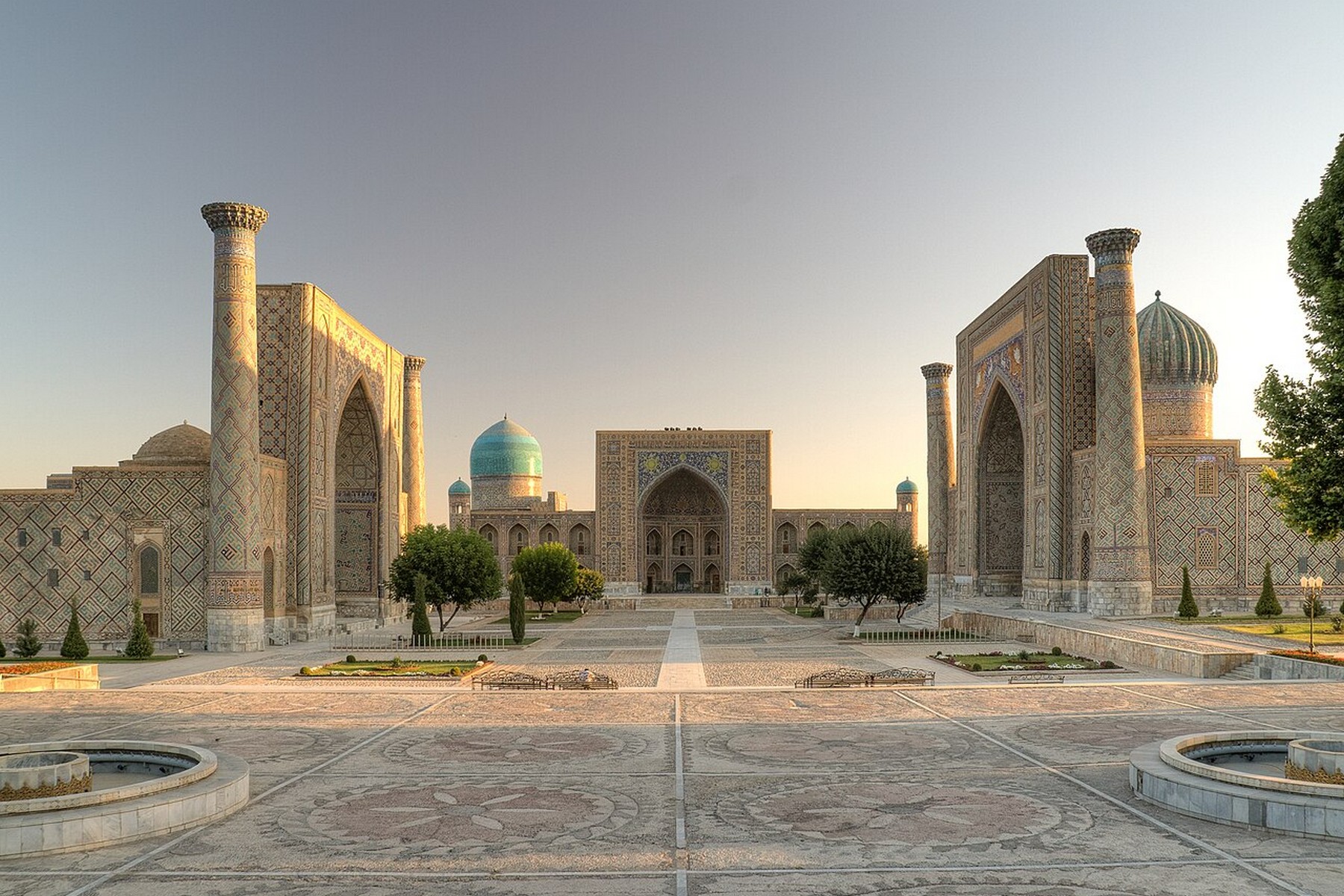
By nine o’clock, Registan Square is already filling with visitors. Guides raise colourful umbrellas above their groups, photographers search for the perfect angle and the cafés begin setting out tables.
Two hours earlier, the atmosphere is entirely different. The sandstone still holds the coolness of the night. Swallows dart across the enormous courtyard while municipal workers quietly sweep the paving stones. The turquoise domes catch the first rays of sunlight, gradually changing from pale blue to deep cobalt as the city wakes.
There are no speeches. No crowds. Only silence. Walk a few streets away and another morning ritual begins.
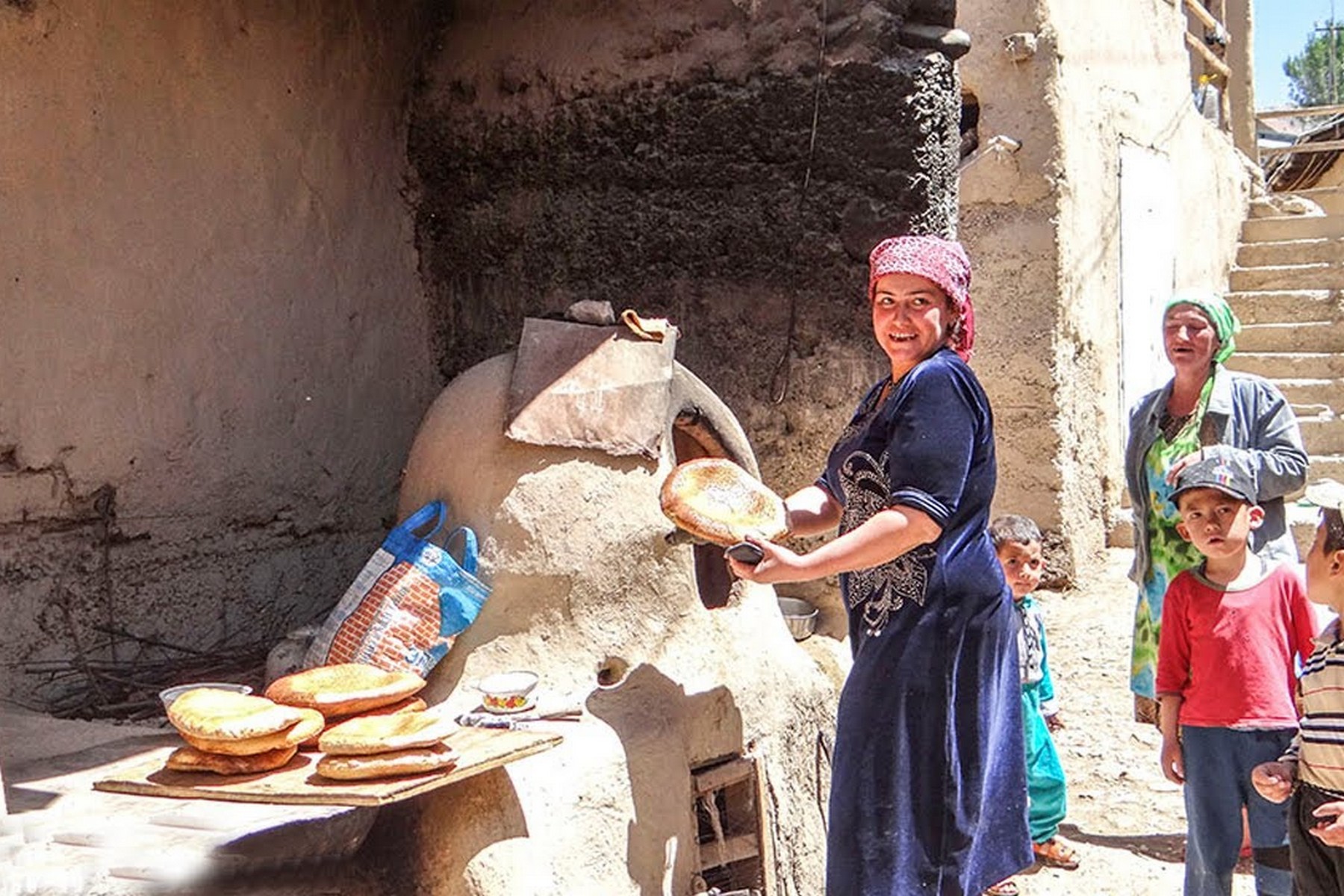
The aroma of freshly baked non bread drifts from neighbourhood bakeries. Cyclists carry warm loaves wrapped in cloth beneath their arms. Shopkeepers unlock wooden shutters that have opened in the same streets for generations. Somewhere behind a courtyard wall, a kettle whistles for the day’s first tea.
These are not performances for visitors. This is simply how the day begins. The same transformation happens elsewhere.
In Khiva, the old city feels almost theatrical during the middle of the day, its narrow streets echoing with conversations in dozens of languages.
At dawn, however, Itchan Kala belongs almost entirely to its residents. Cats stretch lazily on sun-warmed stones. A baker wheels fresh bread through the gates. Elderly men greet one another with quiet familiarity before settling onto benches for the first conversation of the morning.
For a brief moment, you stop feeling like a visitor inside a UNESCO World Heritage Site. Instead, you find yourself inside a living neighbourhood.
Mountain villages offer another kind of dawn.
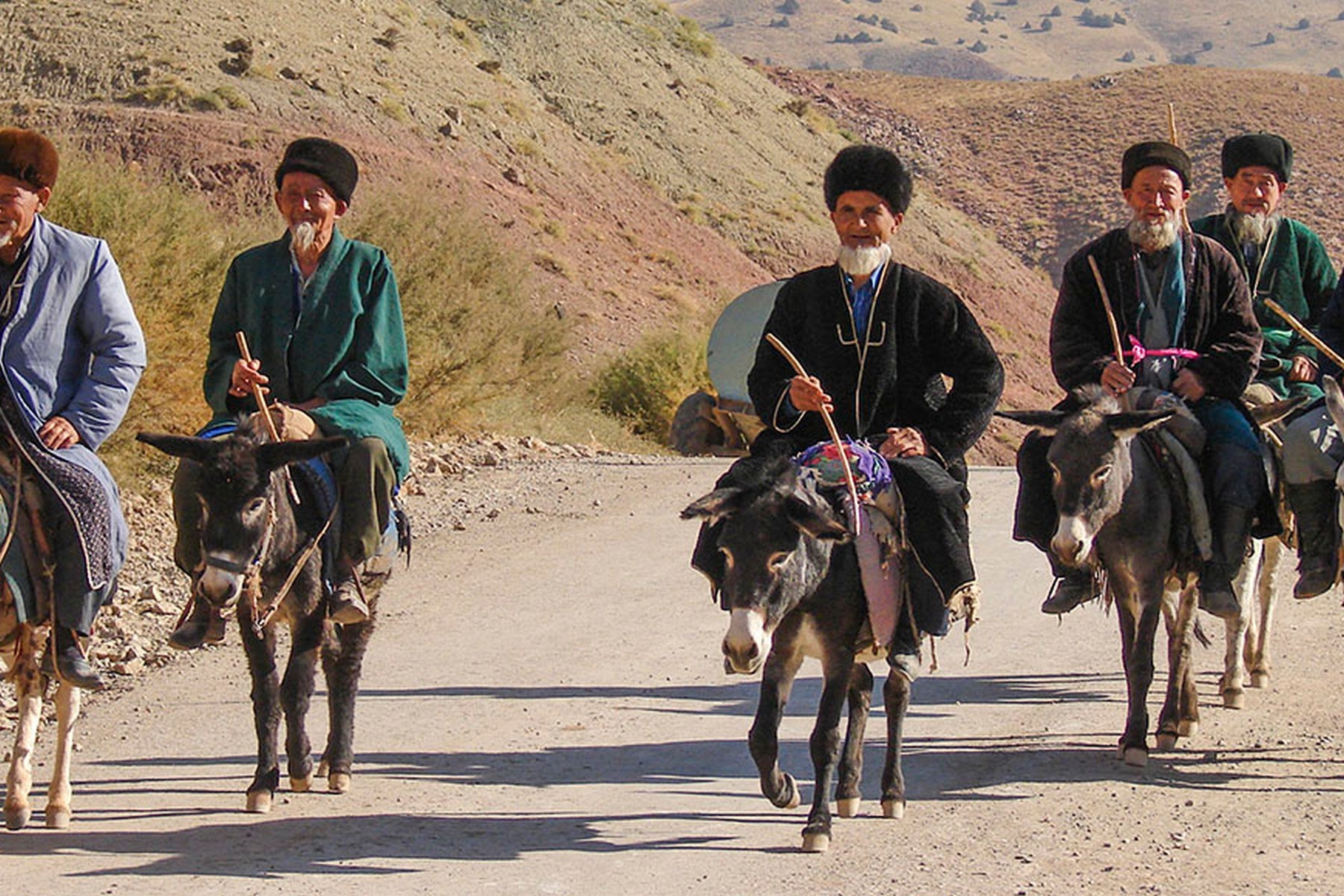

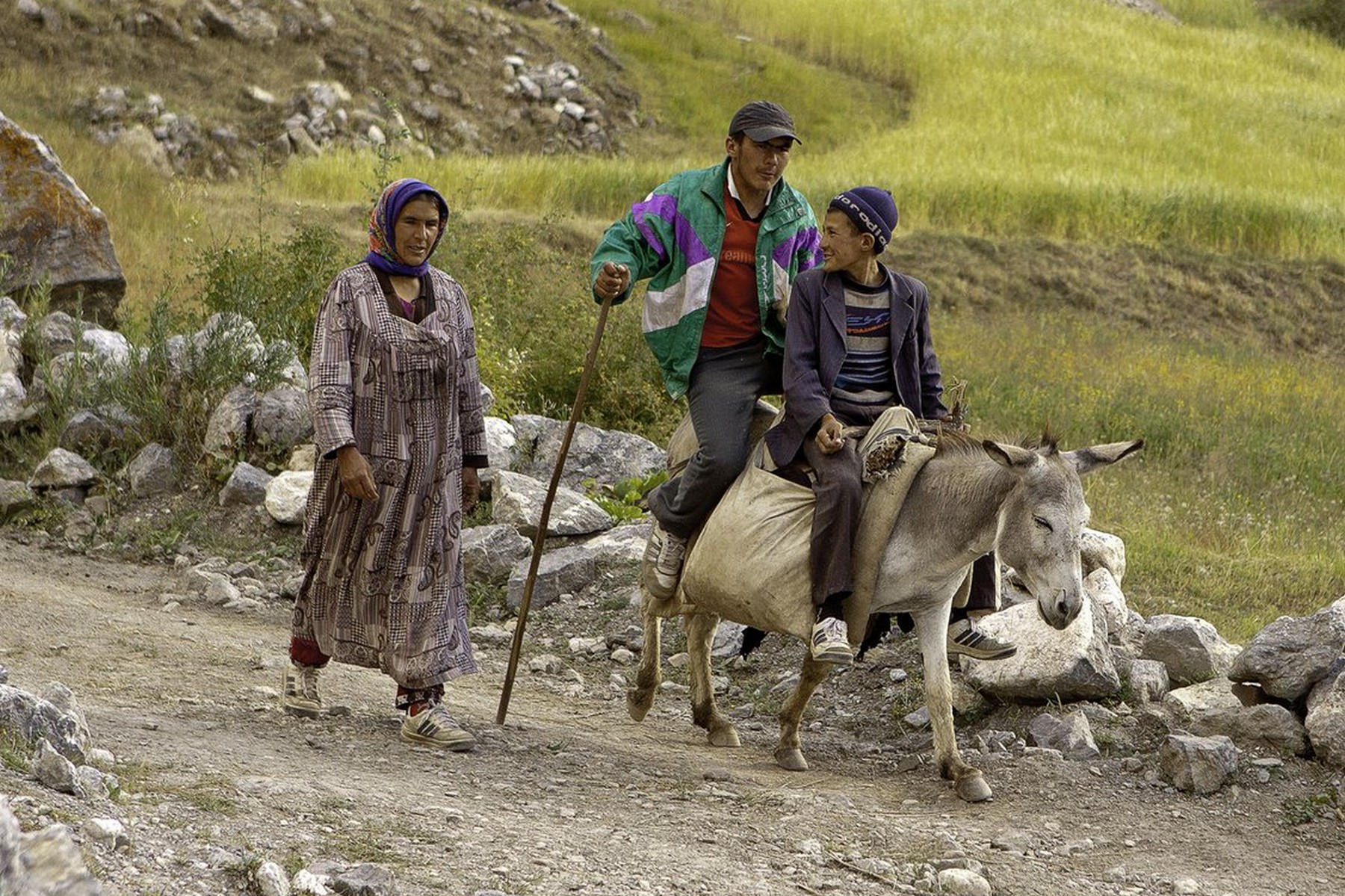
Spend the night in Lahij, Khinalig or a family guesthouse overlooking Song-Kul Lake, and you’ll discover that mornings unfold slowly.
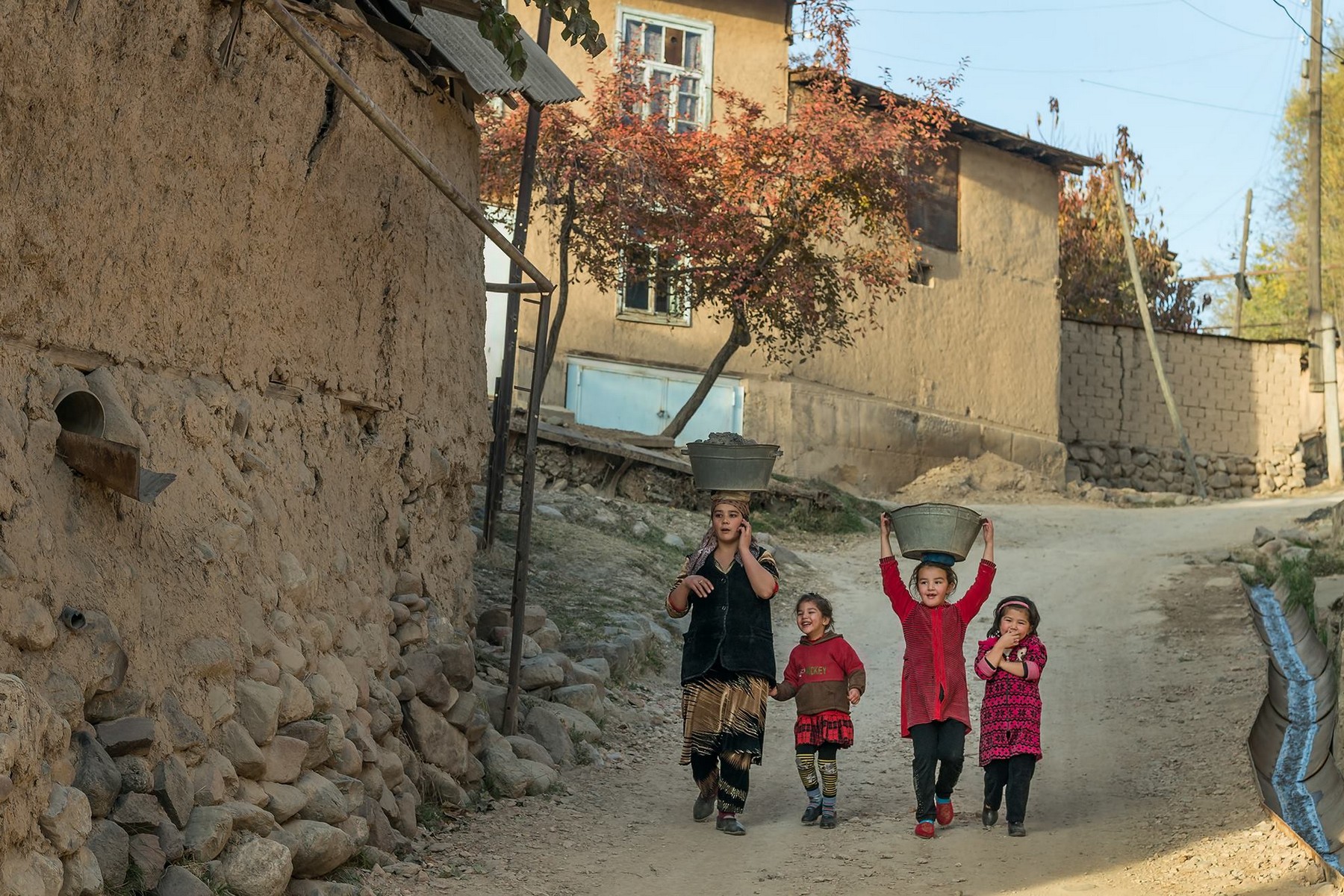
Wood smoke begins curling from chimneys. Roosters announce the day long before the sun clears the surrounding peaks. Shepherds quietly gather livestock while the valleys remain wrapped in mist.
By the time the first visitors arrive, half the village has already been awake for hours. The same principle applies even in large cities. Many travellers describe Tashkent as modern and energetic.
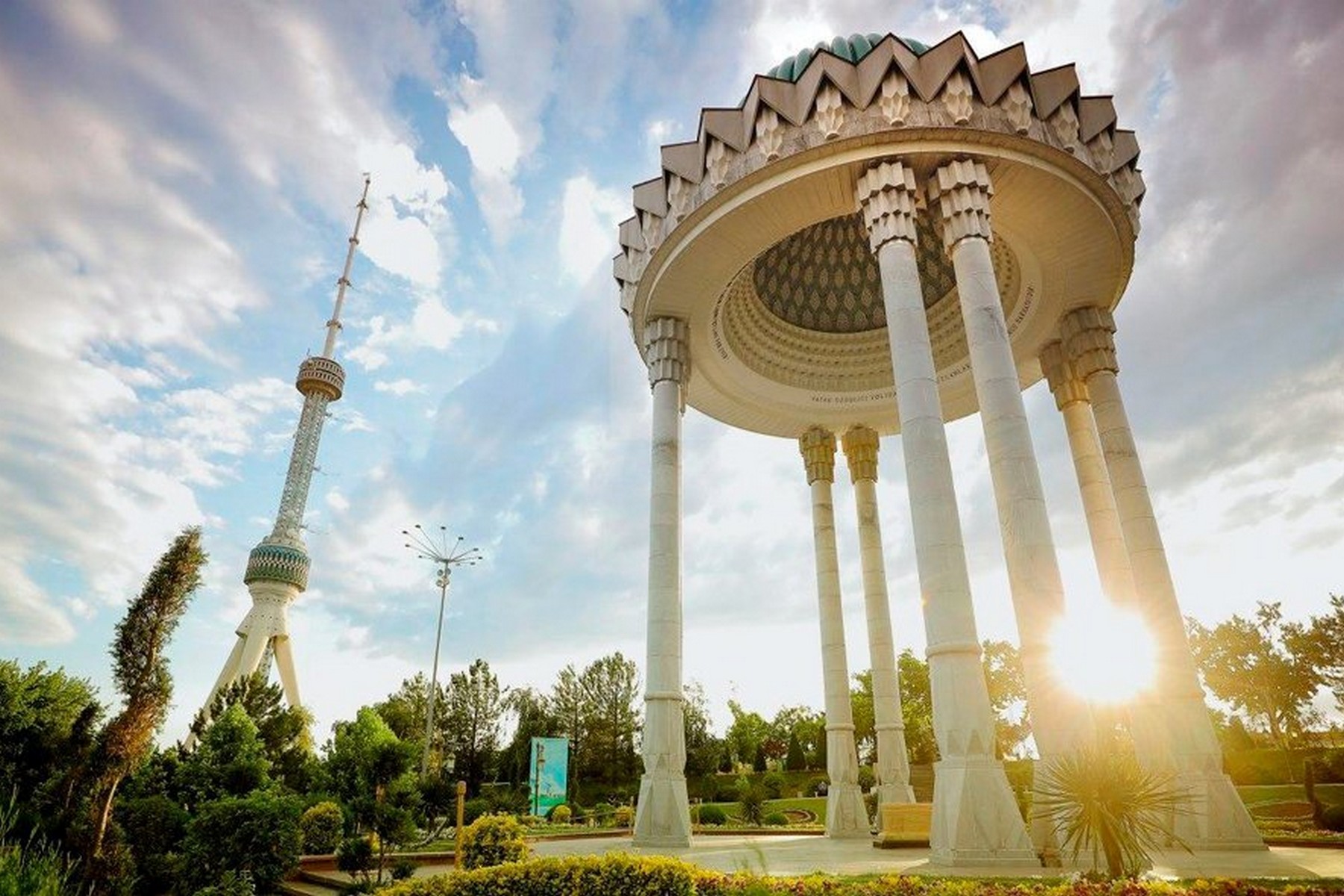
They are right. But before the traffic builds, broad tree-lined avenues belong to joggers, street sweepers and elderly residents taking their daily walks. Small cafés prepare samsa and pastries while fruit sellers arrange peaches, apricots and melons with remarkable care.
The city has not yet accelerated into its daytime rhythm. Morning is also the best time to understand how closely everyday life remains connected to tradition. Wedding halls receive deliveries of flowers.
Tea houses prepare for their first guests. Artisans unlock workshops before the summer heat settles over the streets. The famous monuments may dominate guidebooks, but the quiet rituals surrounding them reveal far more about the countries themselves. Even nature follows the same rule.
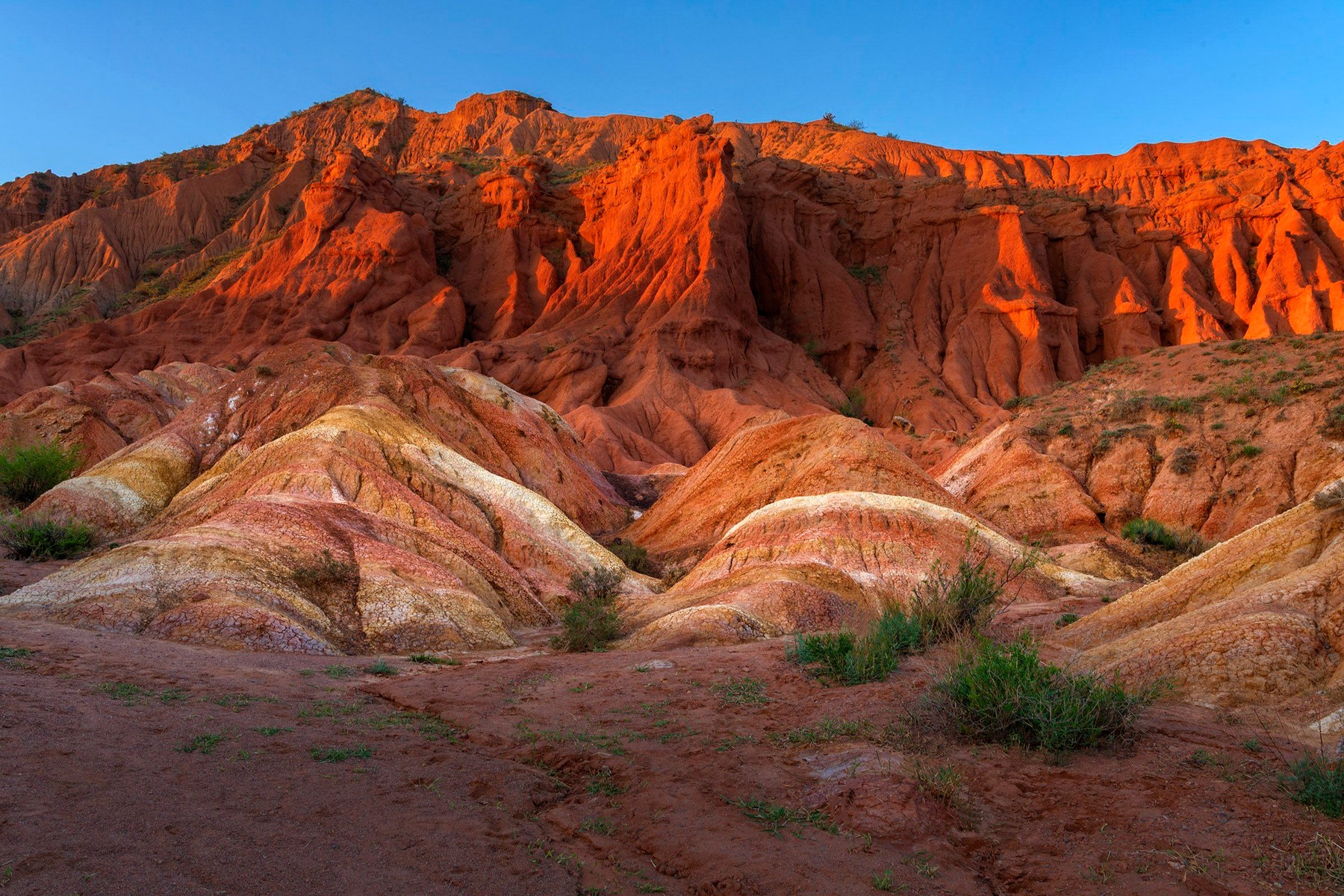
The red cliffs of Skazka Canyon in Kyrgyzstan glow with softer colours before the harsh midday sun washes away their contrast. The Aktau Mountains of Kazakhstan appear almost luminous during the first hour after sunrise, their white and ochre layers changing colour minute by minute.
At Iskanderkul in Tajikistan, the surrounding peaks often reflect perfectly in the still morning water before afternoon winds disturb the lake’s surface.
These are not different destinations. They are the same places experienced at the right moment.
Ironically, many travellers spend considerable money searching for “hidden gems” while overlooking the simplest secret of all. You do not always need to travel farther. Sometimes you simply need to wake up earlier.
The world’s most famous landmarks are shared by everyone. The quiet hour before breakfast still belongs to those willing to greet the day before everyone else.
And years later, when individual monuments begin to blur together, it is often those ordinary mornings—the smell of warm bread, the sound of sweeping courtyards, the first light touching ancient domes—that remain the clearest memories of the journey.
Because travel is not only about seeing remarkable places. It is about seeing them at the moments when they feel most alive.