Behind Uzbekistan’s magnificent mosques and madrasas lies another world that most visitors barely notice—a centuries-old community system that continues to shape everyday life.
Ask travellers what they remember most about Uzbekistan, and the answers are remarkably predictable. The turquoise domes of Samarkand. The medieval skyline of Khiva. The atmospheric streets of Bukhara. Perhaps the bustling Chorsu Bazaar in Tashkent.
Yet one of Uzbekistan’s most fascinating cultural treasures rarely appears in guidebooks because it isn’t a monument at all.
It is the mahalla.
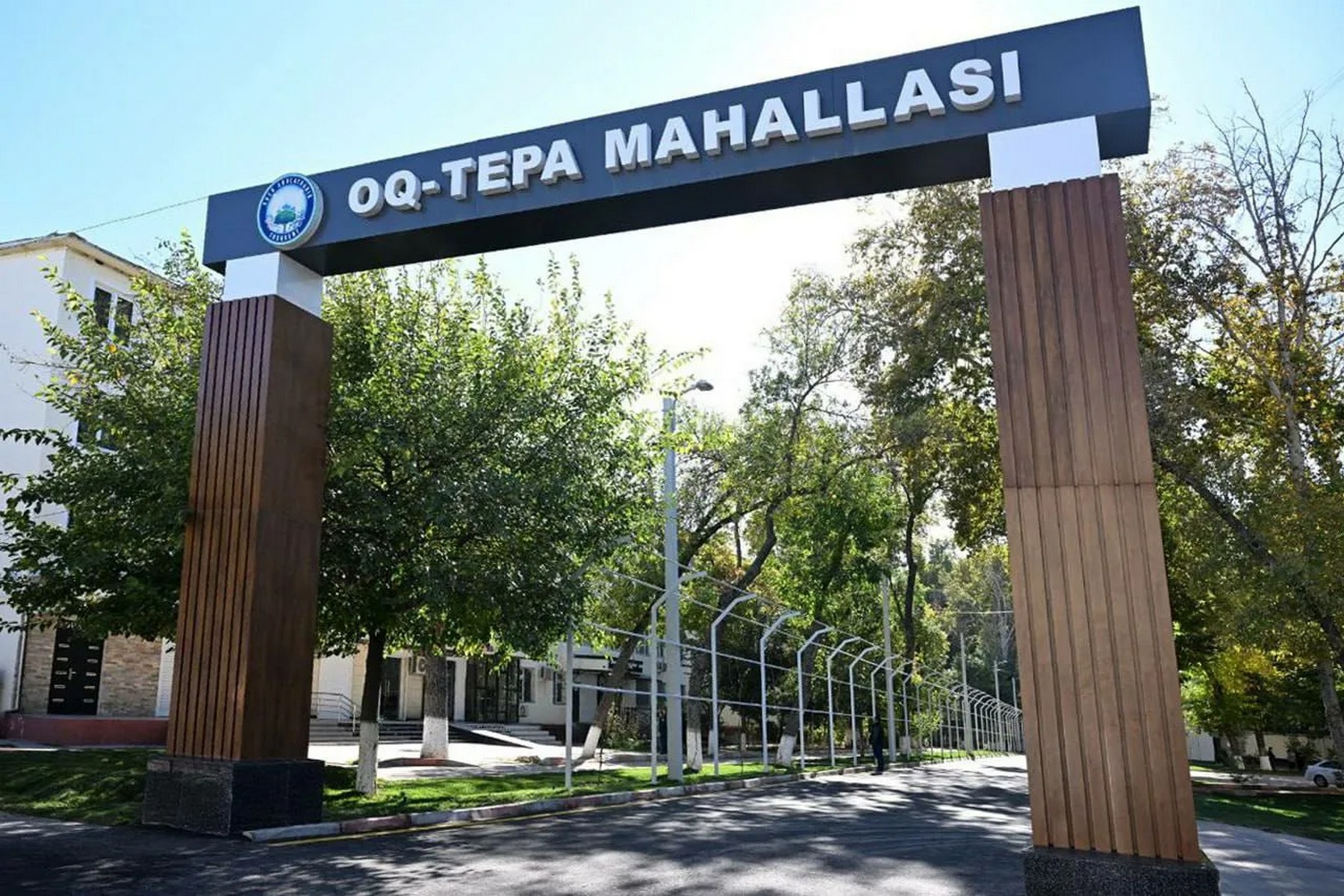
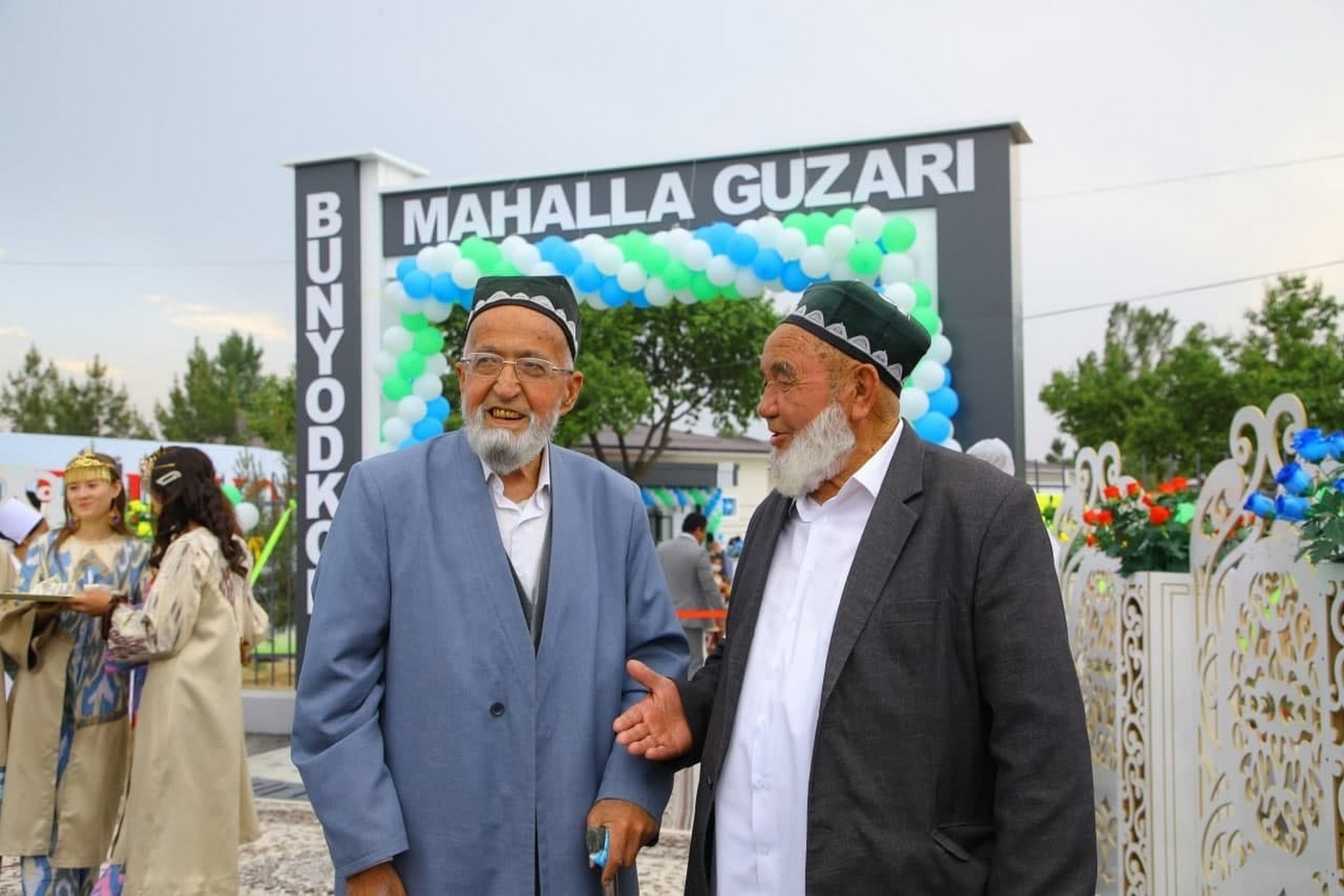
For centuries, the mahalla has been the heart of Uzbek society. Although the word is often translated simply as “neighbourhood,” the meaning runs much deeper. A mahalla is not defined by streets or administrative boundaries. It is a living community where neighbours know one another, celebrate together, support one another through life’s milestones and quietly preserve traditions that have survived for generations.
For visitors, the most remarkable thing about a mahalla is that they often walk through one without realising it.
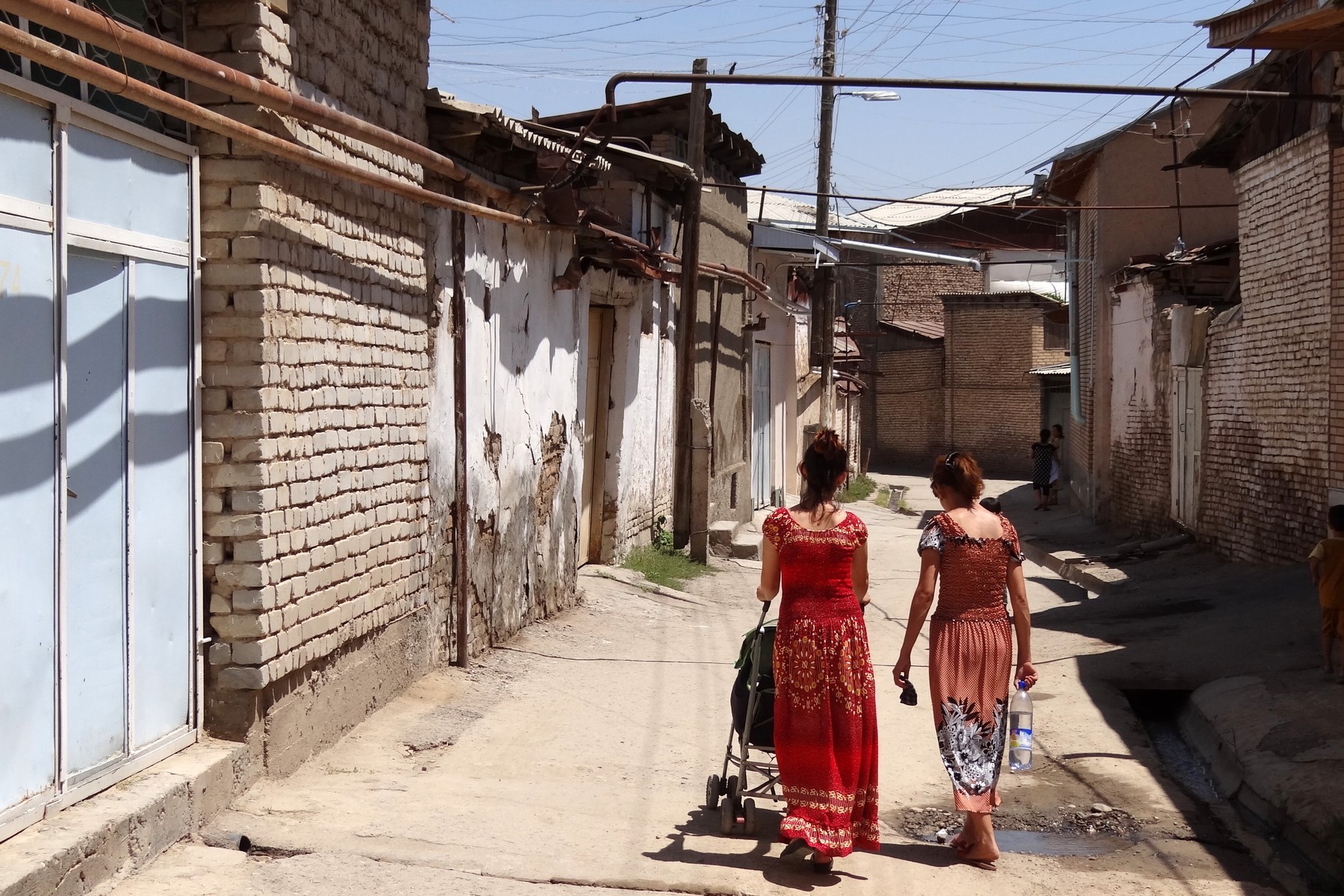
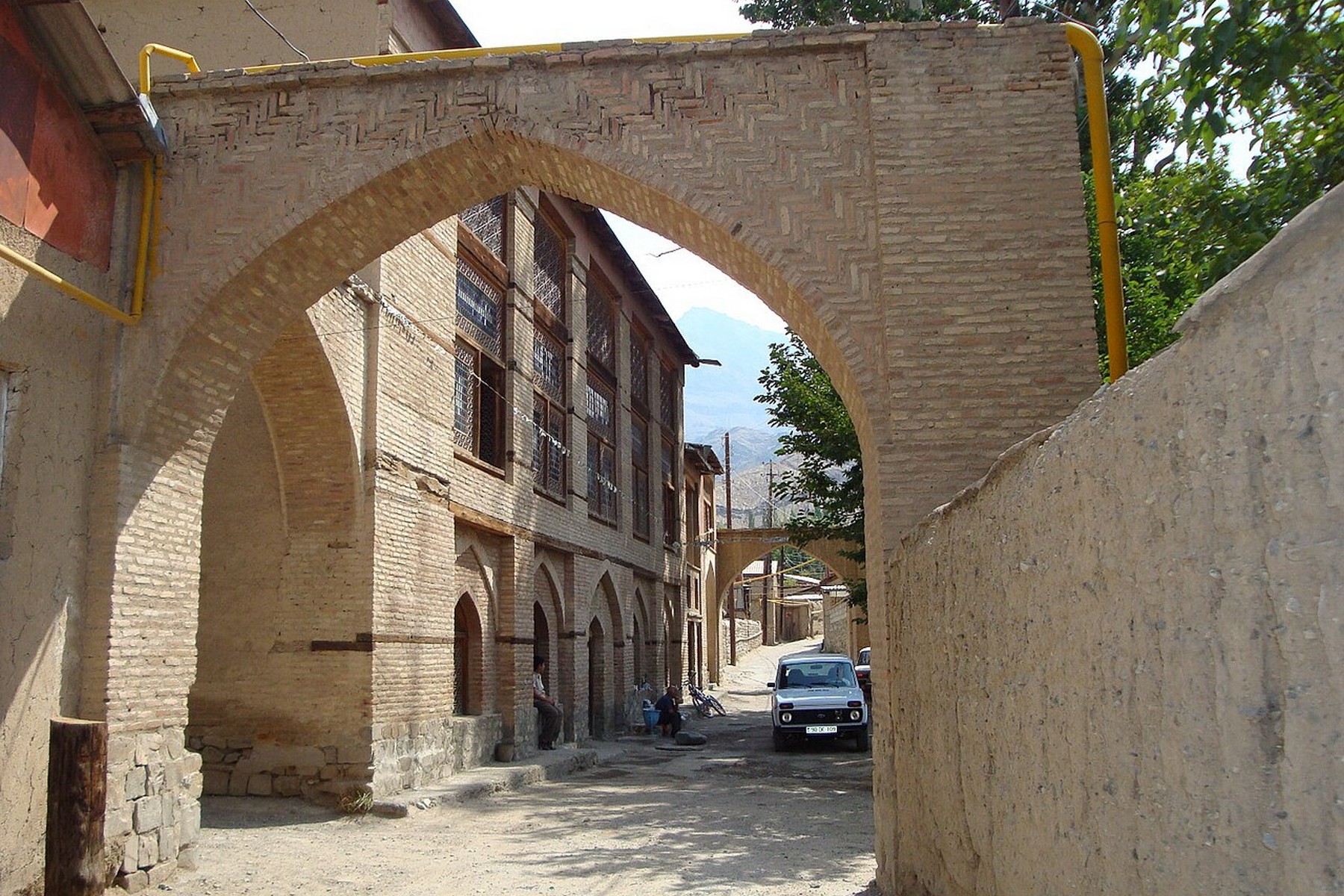
Leave Registan Square behind and turn into the quieter residential streets of Samarkand. Wander away from Lyabi-Hauz in Bukhara or the busy avenues of Tashkent. Within a few minutes, the atmosphere changes completely. The sounds of traffic fade away. Narrow lanes curve gently between mud-brick walls and wooden gates. Fruit trees lean over courtyards hidden from view. Children play football in quiet side streets while elderly neighbours exchange greetings from shaded benches beneath mulberry trees.
Nothing has been arranged for tourists.
This is simply everyday life.
Unlike many historic districts elsewhere in the world, Uzbekistan’s old neighbourhoods have not become museum pieces. Families continue to live in houses that have often belonged to the same extended family for generations. Weddings are organised here. Bread is baked each morning. Courtyards fill with relatives during holidays, and neighbours still look after one another in ways that many modern cities have long forgotten.
One of the defining features of traditional Uzbek homes is that very little is visible from the street. High walls provide privacy from the outside world, while life unfolds around an internal courtyard. From the road, a house may appear simple and modest. Step through the gate, however, and you may find carved wooden columns, flowering vines, grape trellises, fruit trees and a raised tapchan—a traditional platform where families gather to drink tea, share meals and escape the afternoon heat.
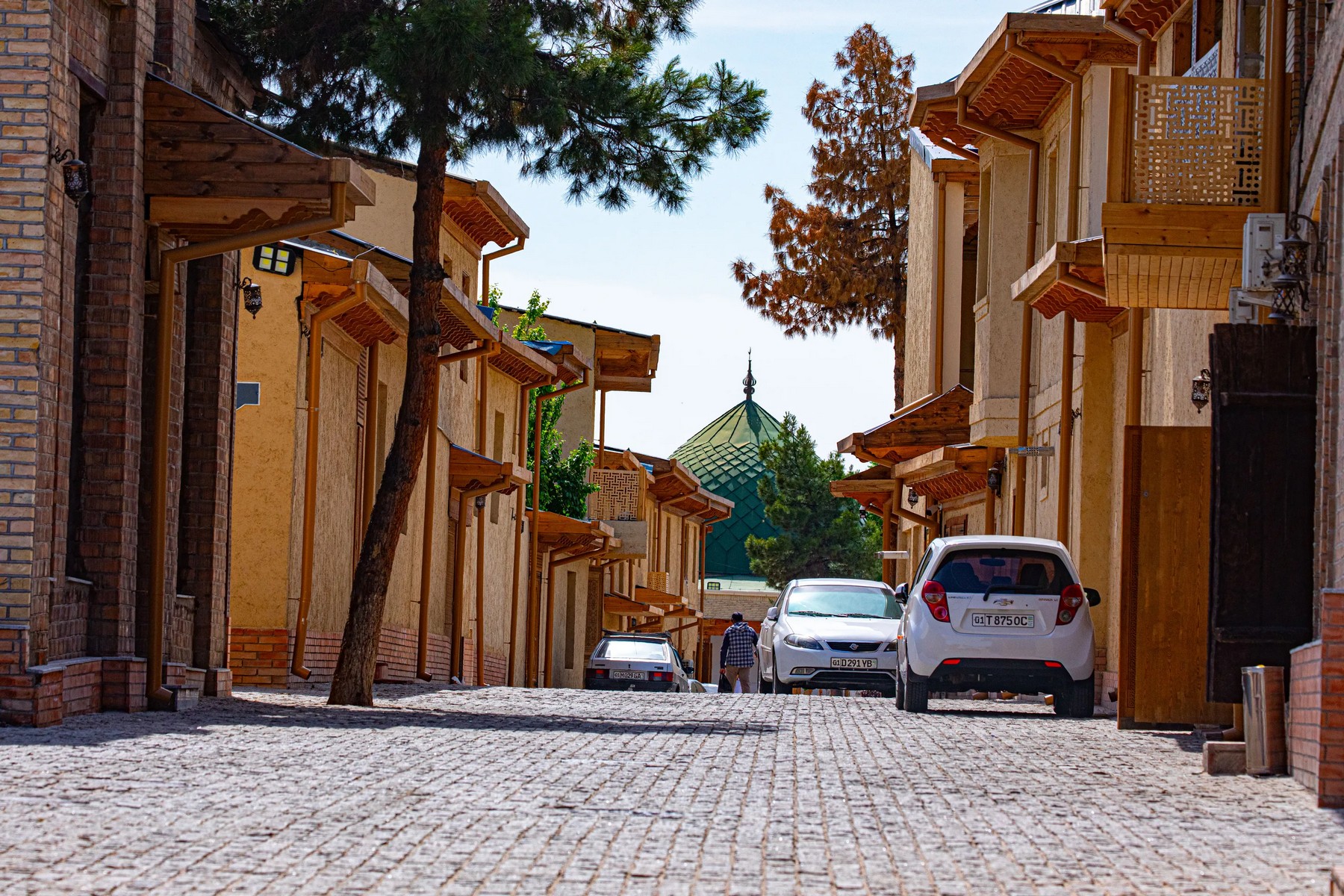

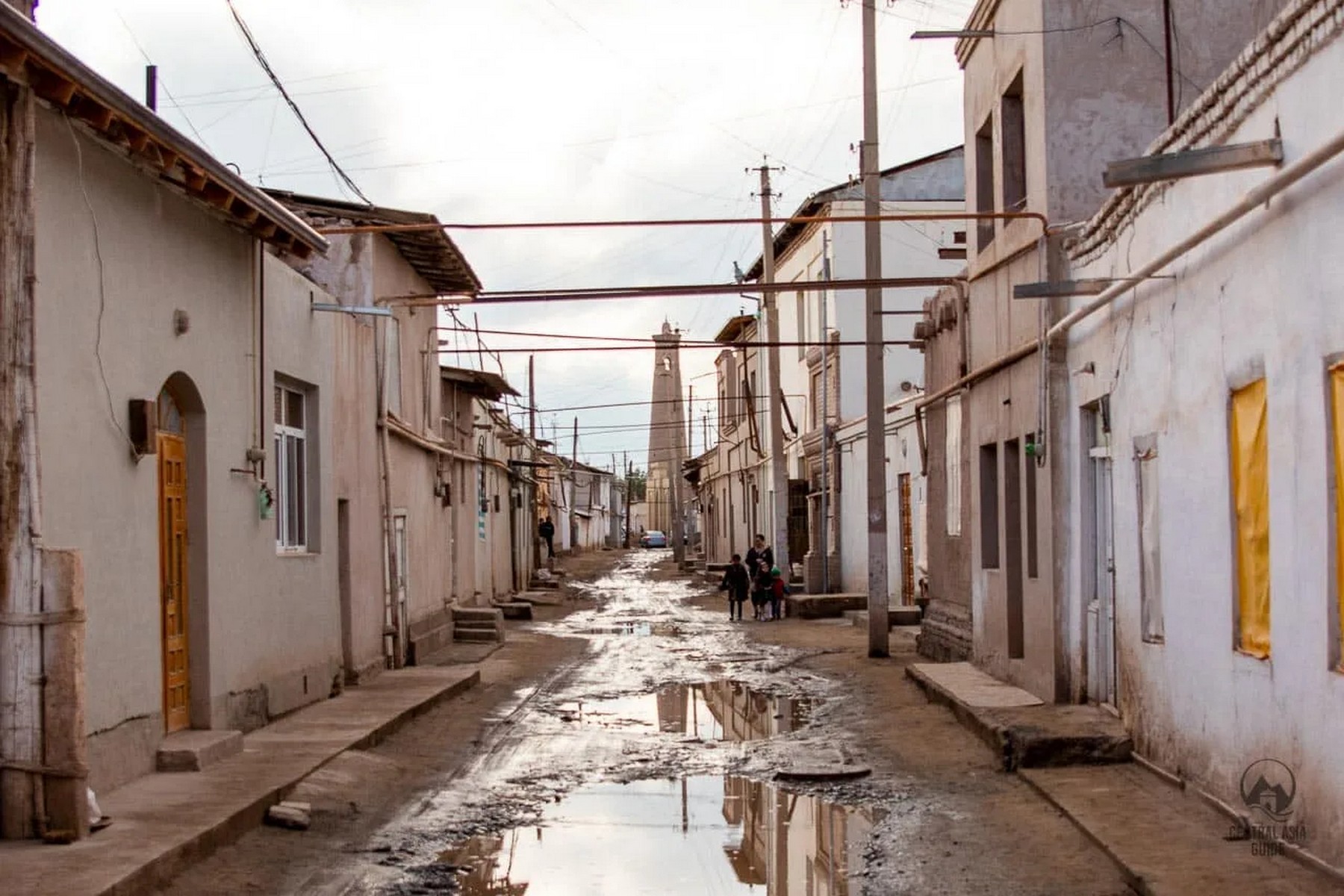
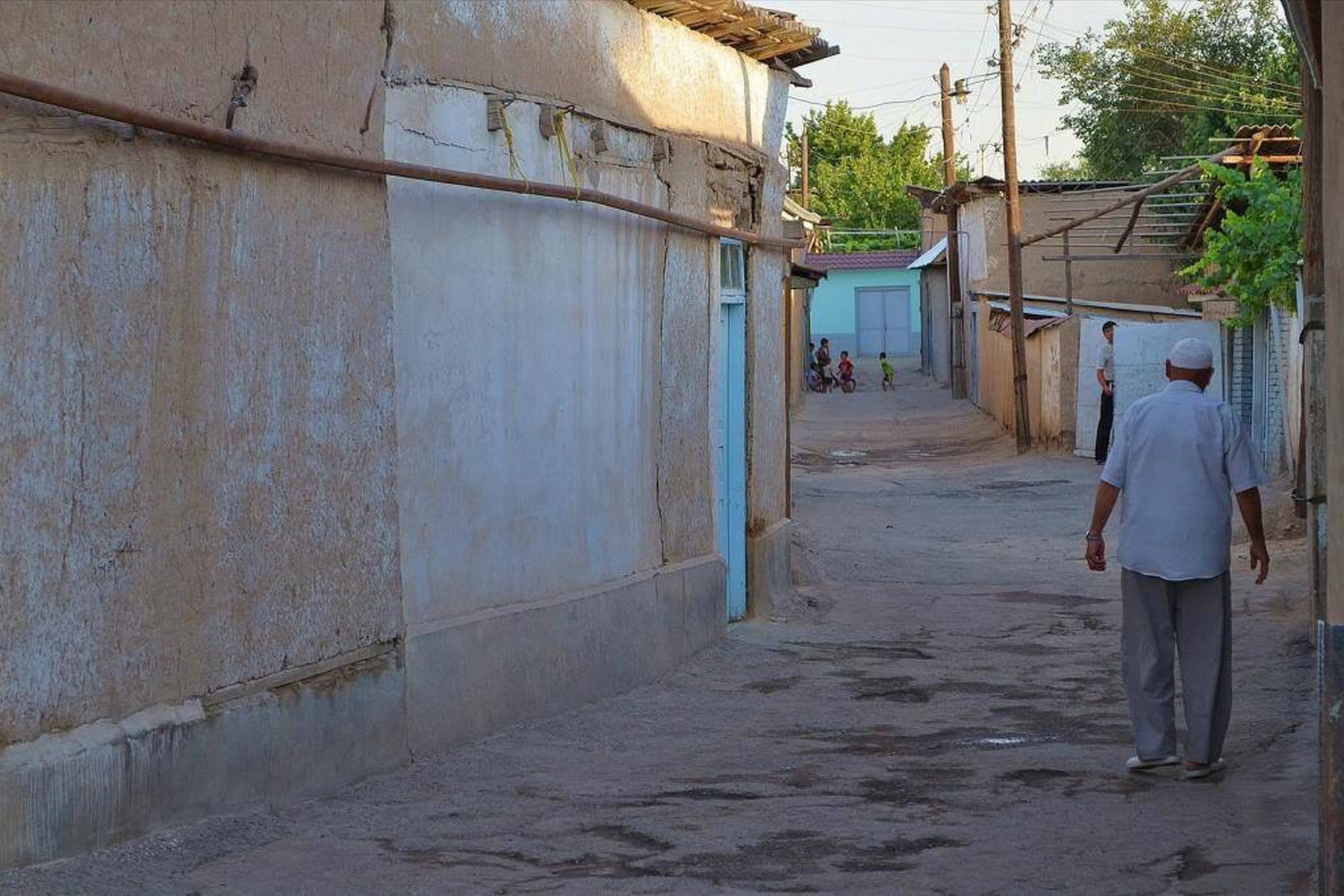
This inward-looking architecture reflects a philosophy found throughout Central Asia: hospitality is deeply valued, but home remains a private space reserved for family and invited guests.
Visitors sometimes wonder why the streets feel unusually quiet.
The answer lies behind those walls.
Daily life takes place in the courtyards rather than on the pavement.
Perhaps nowhere is this more noticeable than in the early morning.
Before the tourist buses begin arriving, neighbourhood bakeries are already producing fresh rounds of non bread. Shopkeepers sweep the pavement outside small family businesses. Someone cycles slowly past carrying warm bread wrapped in cloth. The aroma of freshly baked dough mixes with the scent of apricots or mulberries depending on the season.
For many travellers, these quiet morning walks become more memorable than another museum visit.
The mahalla is also where many traditional crafts continue to survive.
Walk through the old quarters of Bukhara and you may hear the rhythmic tapping of metalworkers behind half-open doors. In Samarkand, family workshops continue producing embroidered textiles, carved wood and ceramics. In Margilan, entire households remain involved in silk production. Although many artisans now sell to visitors, these workshops are not performances staged for tourists—they are working businesses where knowledge passes naturally from one generation to the next.
One of the easiest mistakes visitors make is trying to “see” a mahalla.
A mahalla isn’t an attraction to tick off on a sightseeing list.
It is something to experience slowly.
Put away the map for an hour. Choose a quiet lane. Pause at a neighbourhood teahouse. Listen to the sounds drifting over the walls. Notice the details—a carved doorway polished by decades of use, vines climbing over adobe walls, an elderly man watering flowers outside his gate before the midday heat arrives.
The most rewarding discoveries rarely appear on Google Maps.
Respect, however, is essential.
Although the streets are public, the houses are private homes. Photographing people without permission, peering into courtyards or treating residential neighbourhoods like open-air museums can quickly turn curiosity into intrusion. A smile, a greeting and genuine interest are usually appreciated, but visitors should always remember that these are living communities rather than historical reconstructions.
Ironically, the mahalla may become one of your strongest memories of Uzbekistan precisely because nothing spectacular happens there.
No famous monument dominates the skyline.
No ticket office marks the entrance.
There is simply the quiet rhythm of everyday life—a rhythm that has continued through empires, revolutions and modernisation with remarkable resilience.
Most visitors come to Uzbekistan searching for the Silk Road.
Some of its most enduring traditions are still waiting behind the wooden gates of the mahalla.