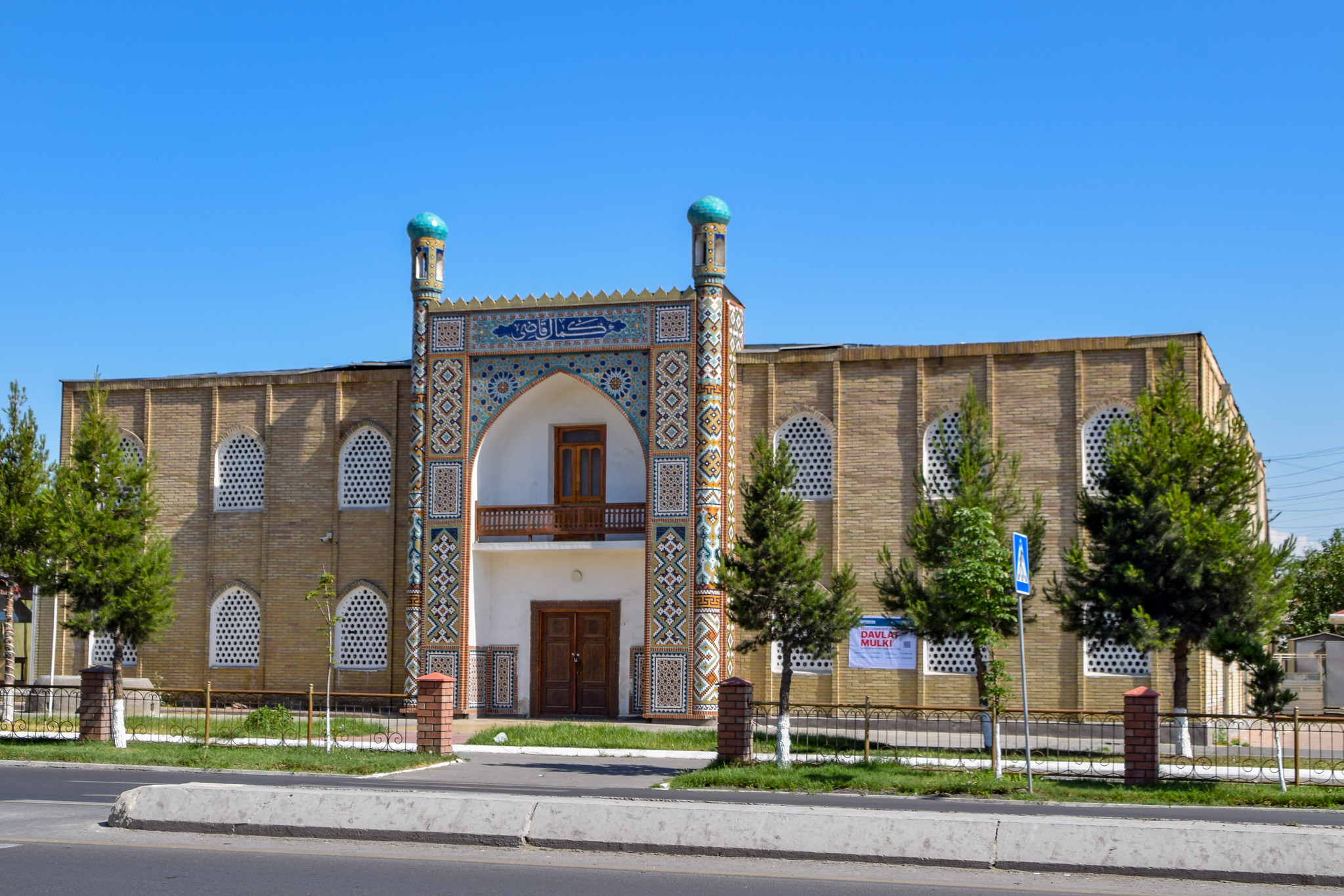
There is another side to Uzbekistan that many travellers never get to see. Beyond the magnificent turquoise domes of Samarkand, the ancient streets of Bukhara and the bustling avenues of Tashkent lies the Fergana Valley — a fertile eastern region where traditional crafts are not simply preserved for visitors but remain part of everyday life.
Here, silk is still transformed into richly patterned fabrics on traditional looms, potters continue to produce distinctive blue-glazed ceramics, and local bazaars bring together generations of merchants, artisans and farmers. The valley offers a different kind of journey: less about ticking off famous monuments and more about discovering the people, skills and traditions that have shaped Uzbek culture for centuries.
For travellers interested in craftsmanship, local markets and authentic cultural encounters, the Fergana Valley deserves a place on the itinerary.
The town of Margilan has long been associated with silk production. Its name is closely linked to Uzbekistan’s textile heritage, particularly the colourful fabrics known as ikat, atlas and adras, whose intricate patterns have become some of the most recognisable symbols of Central Asian craftsmanship.
One of the best places to discover this tradition is the Yodgorlik Silk Factory. Visitors can observe several stages of silk production, from processing cocoons and preparing threads to dyeing and weaving the finished fabric. The most fascinating part is often the ikat technique itself. Rather than printing a design onto completed cloth, artisans carefully bind and dye sections of the threads before weaving begins. As the threads come together on the loom, the pattern gradually appears, creating the characteristic softly blurred outlines of traditional ikat designs.
The result is a textile that is both decorative and technically remarkable. Depending on the materials and weaving method, visitors will encounter different varieties of fabric, including pure silk atlas and the silk-cotton blend known as adras.
After visiting a workshop, take time to explore Margilan’s markets. This is a good opportunity to see how traditional textiles fit into contemporary local life, compare patterns and colours, and perhaps purchase a piece directly from the region where it was made.
If Margilan is the valley’s silk capital, Rishtan is its pottery heartland. Located between Kokand and Fergana, this small town is famous throughout Uzbekistan for its distinctive ceramics, particularly plates, bowls and decorative dishes covered in shades of turquoise, cobalt and deep blue.
The local pottery tradition has developed around the area’s natural resources, including its fine clay and the materials used to prepare traditional glazes. One of the most distinctive is ishkor, an alkaline glaze associated with the characteristic blue-green colours of Rishtan ceramics.
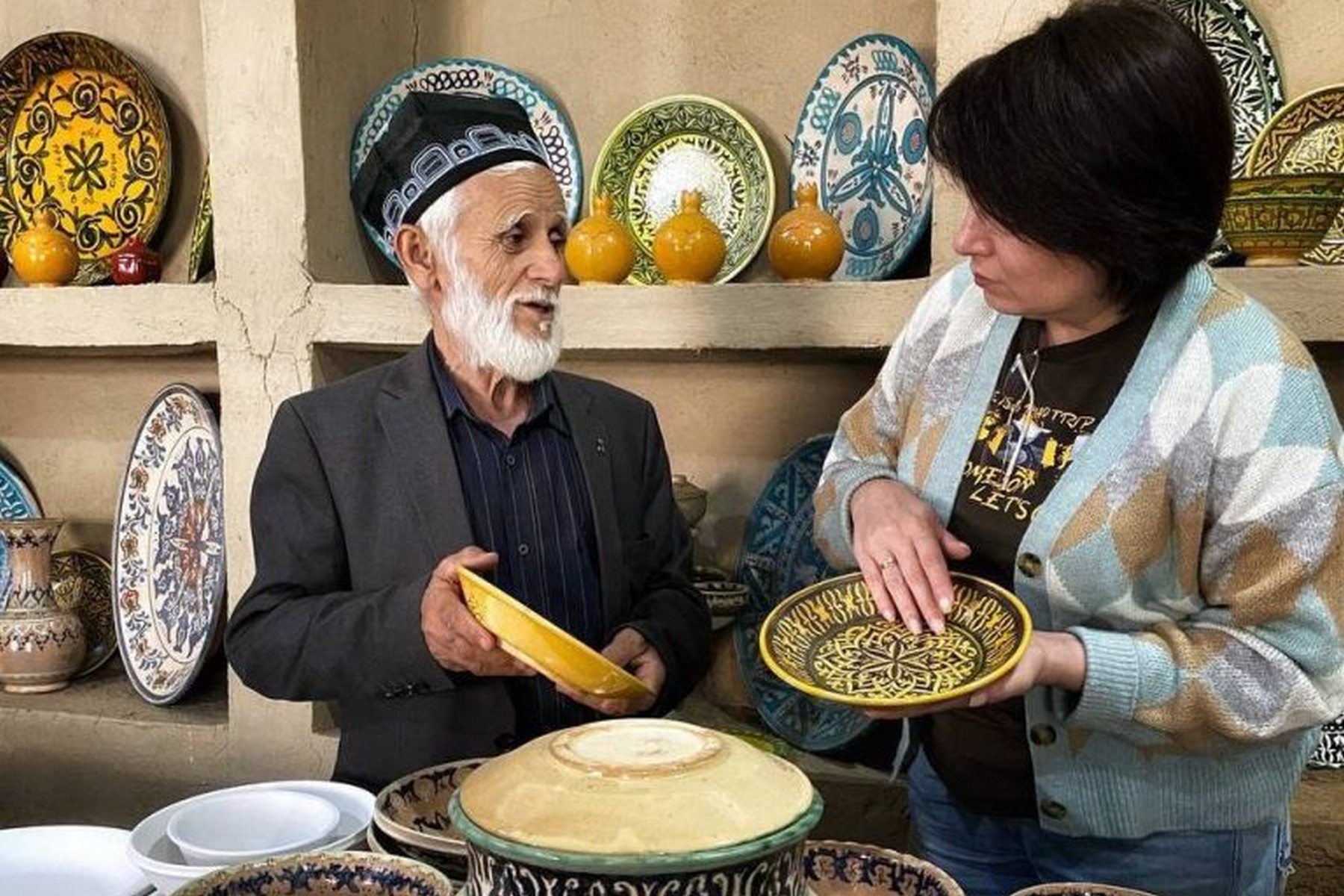
Visiting a family pottery workshop is one of the most rewarding experiences in the valley. Rather than simply browsing finished products in a shop, travellers can often watch the entire creative process: a potter shaping clay on the wheel, an artisan painting intricate ornaments by hand, or finished pieces being prepared for firing.
Many workshops are family businesses where techniques have been passed down through generations. Some masters also maintain collections of older ceramics, allowing visitors to compare contemporary production with traditional designs.
For those looking for a meaningful souvenir, buying directly from a local workshop is an excellent option. Just remember that larger ceramic pieces can be heavy and fragile, so ask about suitable packaging before making a purchase.



The Fergana Valley is not only a destination for craft enthusiasts. Its history is equally compelling, particularly in Kokand, once the capital of the powerful Kokand Khanate.
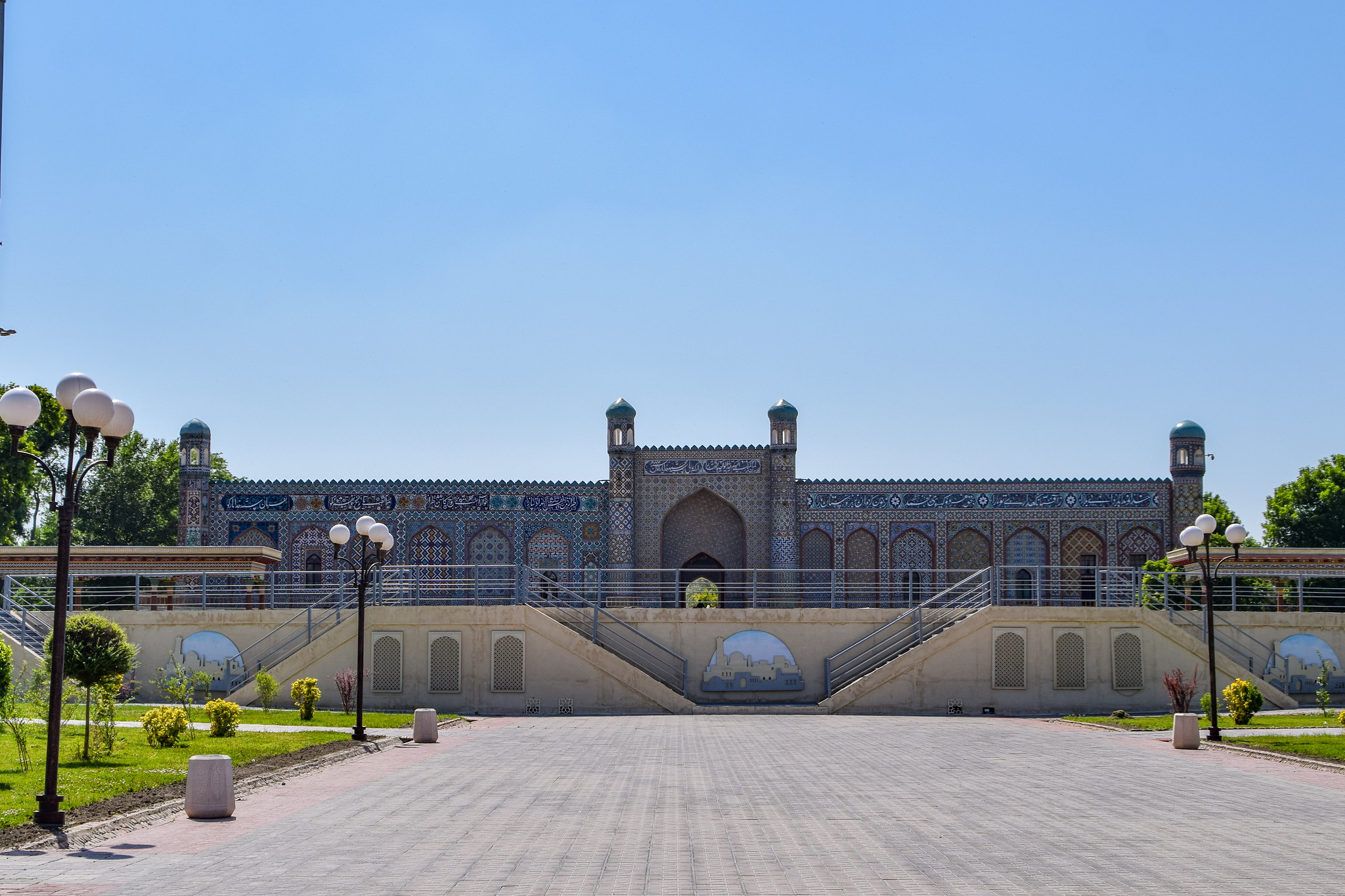
The city’s most impressive historical landmark is the Khudayar Khan Palace, built in the nineteenth century. Its richly decorated façade, colourful tilework and elaborate architectural details make it one of the most striking historic buildings in the region.
The palace was constructed during the reign of Khudayar Khan and reflects the wealth and political ambitions of the khanate in its final decades. Walking through its courtyards and museum rooms offers a glimpse into the courtly world of the period, when Kokand was an important political and cultural centre of Central Asia.
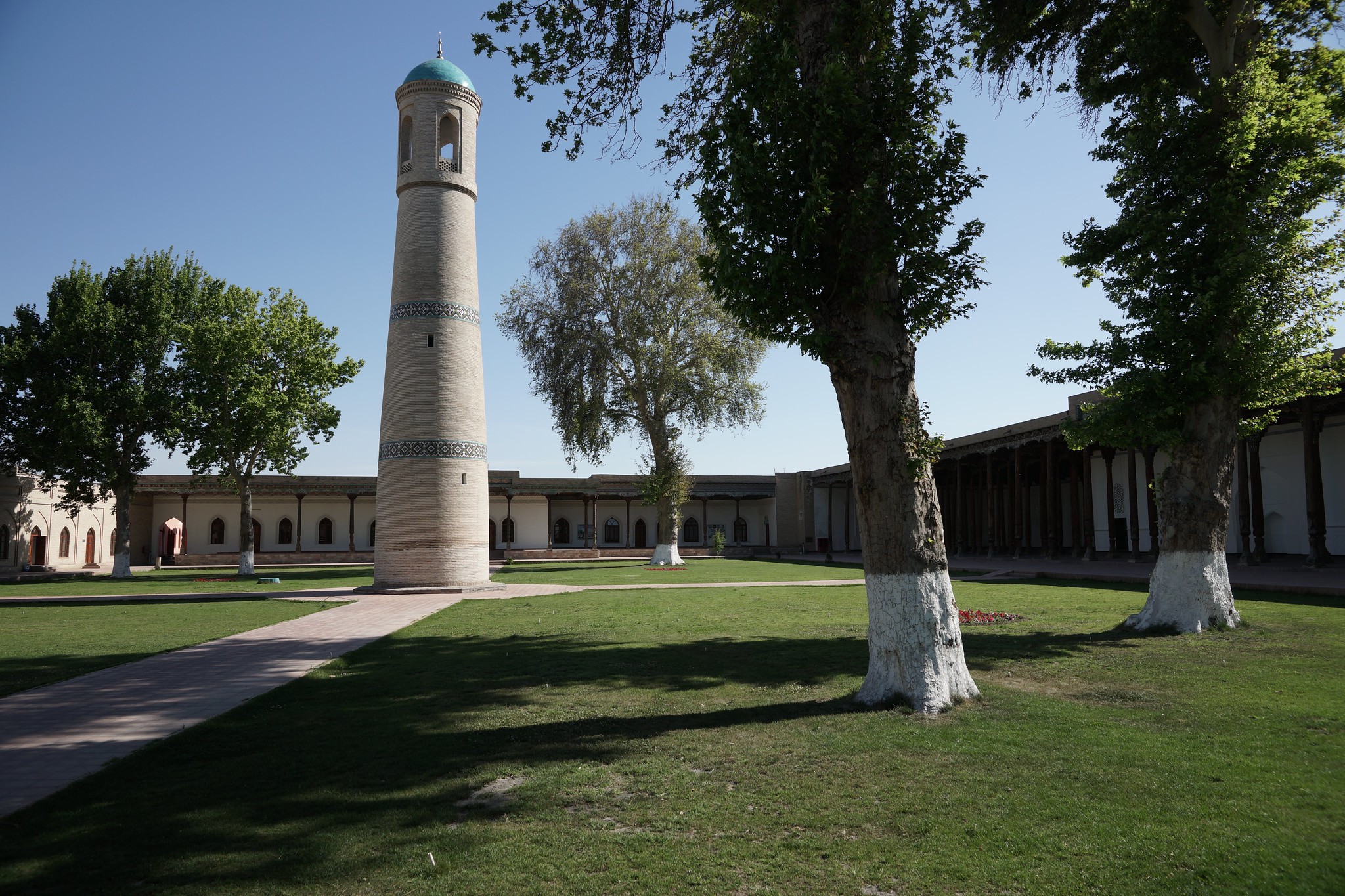
Another notable landmark is the Jami Mosque, known for its long wooden-columned veranda. Its rows of carved columns and traditional architectural details provide a quieter but equally interesting contrast to the palace.
Kokand is an especially worthwhile stop for travellers who want to understand the region’s history beyond the better-known narratives of the Timurid cities.
One of the pleasures of travelling through the Fergana Valley is experiencing its everyday rhythm. The region is known for its fertile agricultural land, orchards and local food traditions. Markets are particularly rewarding places to explore, offering seasonal fruit, vegetables, spices, freshly baked bread and regional specialities.
Margilan’s traditional markets are especially interesting for visitors looking for textiles and locally made products. The Kumtepa Bazaar, in particular, is known as a major trading place for fabrics and clothing. Its busiest trading days are generally Thursday and Sunday, although travellers should confirm the schedule locally before planning their visit.
Food is another reason to spend time in the valley. Fergana-style plov has its own reputation among Uzbek food lovers, and sampling regional dishes in local restaurants provides another perspective on the country’s culinary diversity.
Rather than rushing from one landmark to another, allow time to sit down for tea, browse the market stalls and observe the daily life around you. These unplanned moments often become some of the most memorable parts of a journey.
The Fergana Valley is located in eastern Uzbekistan and can be reached from Tashkent by train, car or domestic flight.
One of the most convenient options is travelling by train. Rail services connect Tashkent with the main towns of the valley, passing through the Kamchik mountain region via a railway tunnel. The journey to the area generally takes around four to five hours, depending on the destination and service.
Travelling by road over the Kamchik Pass is another possibility. The route offers impressive mountain scenery, although journey times can vary depending on traffic and road conditions. Shared taxis are also commonly used for travel between towns.
Once in the valley, private transport or a locally arranged driver can make it easier to visit several places in one day. Margilan, Rishtan and Kokand are separate towns, and although they can be combined into one itinerary, transfers between them should be planned in advance.
For visitors with limited time, a two- or three-day trip is a reasonable way to experience the main highlights without turning the journey into a race.
Spring and autumn are generally the most comfortable seasons for exploring the Fergana Valley.
From April to early June, the region becomes particularly attractive, with blossoming orchards, green landscapes and pleasant temperatures for sightseeing. September and October are also excellent months, coinciding with the harvest season and offering opportunities to sample fresh local produce.
Summer can be very hot, especially during July and August, while winter brings colder weather and less predictable conditions. Travellers planning to spend considerable time outdoors or visiting smaller towns may find spring and autumn more enjoyable.
For travellers visiting Uzbekistan for the first time, the classic route through Tashkent, Samarkand, Bukhara and Khiva remains an excellent introduction to the country’s architectural and historical heritage. However, those with a few additional days should seriously consider travelling east.
The Fergana Valley offers something different. It is a place where cultural traditions can be observed at close range, where artisans continue to work with materials and techniques inherited from previous generations, and where local markets remain an essential part of everyday life.
You may leave Margilan with a piece of silk, Rishtan with a hand-painted ceramic bowl, and Kokand with a better understanding of the region’s history. But perhaps the greatest reward is discovering a side of Uzbekistan that cannot be fully appreciated through photographs of its famous monuments.
For anyone interested in the country’s living culture, the Fergana Valley is well worth the detour.