Independent travel in Uzbekistan doesn’t require renting a car or constantly ordering taxis. In many cases, a smartphone, a little patience, and a willingness to understand local transportation practices are all you need. However, some things only become clear after your first trip—and these are the ones travelers most often share with each other.
The bus won’t always stop on its own.
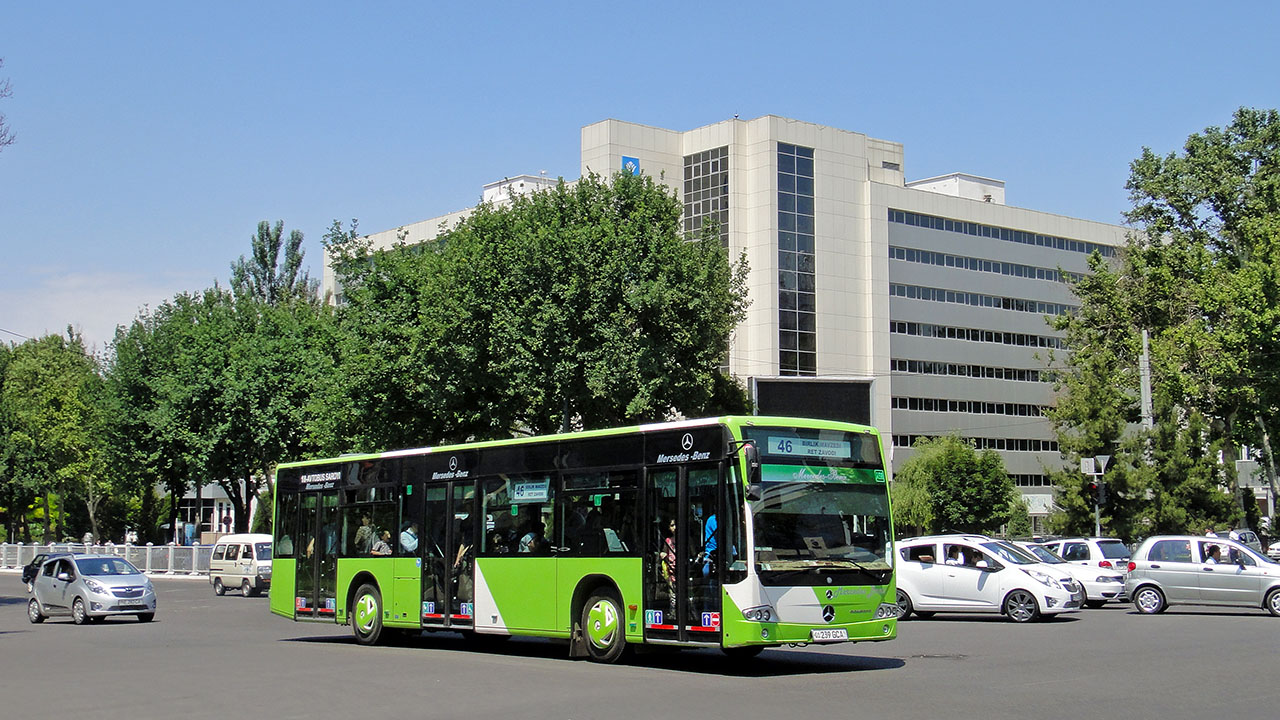
In Tashkent, public transportation is quite suitable for exploring the city independently. Buses connect many areas of the capital, and routes can be tracked using Yandex Maps. But there’s a small detail that sometimes surprises visitors: it’s better not to simply stand at the bus stop; instead, let the driver know you’re getting on. This is especially true if the stop is shared by several routes. It seems like a small thing, but these habits help avoid situations where the bus you’re looking for passes by, leaving you staring in confusion. In addition to regular buses, the city also has minibuses. These can be convenient for certain destinations, but their routes and operating rules aren’t always clear to newcomers. Therefore, if you’re using public transportation in Tashkent for the first time, it’s best to check the route in advance and clarify where exactly to get off.
In the capital, more and more everyday trips can be paid for by bank card. This is convenient, especially if you don’t want to constantly exchange money for small expenses. However, you shouldn’t completely abandon cash. Outside of Tashkent, when traveling to smaller towns, dealing with local drivers, or arranging individual transfers, cash can be much more convenient. It’s better to have some sums on hand to avoid making currency exchange a hassle during your trip.
If you want to swap city streets for mountain scenery, popular destinations include Chimgan, Charvak, and Amirsay. However, transport logistics here require a little more attention. You can travel towards Gazalkent by public transport and then look for options for the rest of the trip. However, the final leg of the route often requires separate arrangements: negotiating with a driver, taking a taxi, or combining different modes of transport. For those traveling with two or a small group, traveling with a pre-arranged driver may be easier and more cost-effective than trying to piece together the entire route from separate transport segments.
However, an independent option is also entirely possible, especially if you’re not constrained by a strict schedule. Amirsay offers a more organized infrastructure, including cable cars, while a trip to Charvak or Chimgan can be a standalone adventure with stops along the way. You don’t necessarily have to try to visit all three destinations in one day: sometimes it’s better to choose one destination and spend a few hours there leisurely.
Don’t plan everything down to the minute. Uzbekistan is a country where independent travel can be both comfortable and surprisingly flexible. Modern apps help you navigate, train connections allow you to travel between major cities, and public transportation in Tashkent makes everyday travel more accessible. But outside major cities, you can’t always count on perfect route connections.
It’s better to plan your return trip in advance, have an alternative transportation option, and not leave yourself too little time for transfers. It’s the combination of preparation and flexibility that makes traveling in Uzbekistan more enjoyable. Sometimes the most rewarding discovery of a trip isn’t a new landmark, but rather an insight into how locals get to a place you’ve always wanted to visit.