Georgia, with its breathtaking landscapes and rich history, has long captivated travelers with its iconic wine regions, ancient churches, and vibrant cities like Tbilisi. Yet, beyond the well-trodden tourist trails, this Caucasus gem harbors a wealth of lesser-known, untouched wonders that offer a more authentic and adventurous experience. While Georgia’s tourism industry is booming—thanks to government efforts and a growing influx of visitors—the country still holds countless intriguing spots that remain overlooked by both locals and foreigners alike. These are places where nature’s raw beauty meets forgotten history, inviting the curious to step off the map and discover Georgia’s hidden soul. In this article, we’ll spotlight 10 remarkable, non-touristy destinations that promise unique encounters, far from the crowds. Prepare to embark on a journey through craters, canyons, and cultural relics that whisper tales of the past.
Nestled in Georgia’s volcanic heart, the Samsar Ridge Plateau is a surreal landscape dotted with massive, vegetation-free craters that stretch across its rugged expanse. Devoid of forests, the plateau is home to numerous lakes fed by underground springs, creating a stark, otherworldly beauty. At its center stands Mount Samsari, soaring to 3,284 meters, while the ridge’s highest peak, Mount Didi Abuli, rises between Georgia’s largest lakes—Paravani and Tabatskuri. This volcanic wonderland is a haven for hikers and geologists, offering panoramic views and a chance to witness the earth’s fiery origins up close.
Tucked near the Martvili Canyon and the Balda Monastery, the Balda Waterfalls reward those willing to undertake a lengthy hike with unparalleled natural splendor. Surrounded by lush greenery and crisp mountain air, these cascading falls are a testament to Georgia’s hydrological diversity. The effort to reach them is well worth it, as the serene surroundings provide a peaceful retreat, perfect for nature lovers seeking rejuvenation away from urban hustle.


Perched in the forested Khrami River valley, the Pitareti Monastery is a secluded gem renowned for its unique bas-reliefs and historical significance. The church’s frescoes, though fragmented and in poor condition, hint at its medieval glory. A devastating earthquake in 1988 damaged the dome, monolithic roof, and stone memorial plaques, leaving it largely abandoned. Today, this site appeals to history enthusiasts and adventurers drawn to its untouched ruins, where echoes of Byzantine artistry linger amidst the wilderness.
Once a hotspot for conflict, Pankisi Gorge has evolved into a tranquil haven for mountain recreation and ecotourism. This historic valley is fascinating for its predominantly Muslim inhabitants, the Kists, who share close ethnic ties with the Chechens. Visitors can immerse themselves in the area’s rich cultural tapestry, hiking through serene landscapes that tell stories of resilience and tradition, far removed from mainstream tourist hubs.


Boasting subtropical flora, alpine zones, pristine lakes, and waterfalls, Lagodekhi National Park is a biodiversity hotspot with five trails of varying difficulty. Reminiscent of Borjomi but more accessible and diverse, the park features the imposing, yet neglected fortress of Machi, a medieval stronghold that adds a layer of historical intrigue. Explorers can wander through verdant forests and open meadows, discovering Georgia’s ecological richness in a peaceful, crowd-free setting.
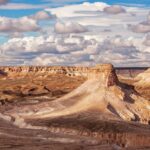
Often hailed as Georgia’s finest national park—and one of Europe’s rarest—the Vashlovani National Park dazzles with its mud volcanoes and fossil potential. If luck favors you, you might even unearth dinosaur bones in this arid steppe landscape. The park’s unique geothermal features and expansive plains make it an ideal spot for nature enthusiasts, offering a glimpse into prehistoric Georgia and the earth’s dynamic forces.


A rare fully developed mountain (or low-mountain) resort in Georgia, Sairme is famed locally in Imereti and nationally for its mineral waters. Nestled in forested hills, it attracts visitors seeking fresh air, leisurely walks, and the therapeutic benefits of “Sairme” mineral water. The resort also features mineral baths, providing a unique alternative to Tbilisi’s famous sulfur baths, making it a wellness destination for those craving relaxation in nature’s embrace.
This picturesque mountain lake, replenished primarily by the Iori River, offers stunning vistas and abundant fishing opportunities. The Iori is teeming with fish, representing nearly all species found in Eastern Georgia, and the reservoir itself hosts carp and silver carp among others. Anglers and nature lovers flock here for peaceful days by the water, surrounded by Georgia’s majestic peaks and the thrill of the catch.


Located near the Ateni Sioni Orthodox Monastery, this gorge features a fortress perched on a rocky outcrop overlooking the Tana River. Currently under reconstruction but open to visitors, the site reveals multiple architectural layers and remarkably preserved frescoes in its ruins. As a historical monument, it provides insight into Georgia’s medieval defenses and religious heritage, blending natural drama with archaeological wonder.


Known as the “City of Cable Cars,” Chiatura is a testament to Georgia’s industrial past, with its extensive network of aerial tramways built for manganese mining—the country’s abundant resource. Beyond the mines, the region boasts cultural treasures like the pillar church in Katskhi village and the Mgvimevi Monastery to the east of Chiatura, along with a couple of other hidden temples. This gritty yet fascinating area invites exploration of Georgia’s mining history and spiritual sites, offering a raw look at the nation’s multifaceted identity.
As tourism in Georgia grows, these hidden gems remind us that true adventure lies in the unexplored. So, venture beyond the guidebooks and uncover the magic of Georgia’s lesser-known treasures—your next unforgettable journey starts here!