As a seasoned traveler who’s crisscrossed the ancient Silk Road from Tashkent to Bukhara, I’ve always believed that Samarkand is more than just its iconic Registan Square or the glittering domes of Gur-e-Amir. Don’t get me wrong—the city’s UNESCO-listed wonders, with their intricate tilework and echoes of Tamerlane’s empire, are breathtaking. But if you’re like me and crave a deeper, more authentic slice of Uzbekistan, the suburbs and outskirts of Samarkand offer a treasure trove of experiences that reveal the region’s soul in ways the city center never could. Having spent weeks exploring these areas over multiple trips, I can tell you firsthand: allocating just a few extra days to these lesser-visited spots can transform your journey into something truly unforgettable. In this guide, I’ll share my personal insights as an expert traveler, weaving in historical nuggets, vivid descriptions, and practical tips to help you plan your own adventure. Trust me, these suburbs are where history, nature, and culture collide in the most magical ways.
Many tourists, pressed for time, dash through Samarkand in a whirlwind 1-2 days, snapping photos of the Shah-i-Zinda necropolis and the Bibi-Khanym Mosque before heading to their next stop. But as someone who’s extended my stays specifically to explore the periphery, I urge you: don’t rush. The suburbs aren’t just add-ons—they’re extensions of Samarkand’s 2,500-year-old legacy, shaped by conquerors like Alexander the Great, who passed through in 329 BCE, and the Timurid dynasty that made this region a hub of science, art, and architecture. These areas preserve a quieter rhythm of life, where ancient irrigation systems still water fields that fed empires, and where you can witness the everyday traditions of Uzbek villagers—far removed from the tourist bustle. Plus, the landscapes here are stunning: rolling hills, rugged mountains, and surreal rock formations that feel like stepping into a living history book. It’s in these suburbs that you’ll truly grasp why Samarkand was once the beating heart of the Silk Road.
Organizing a trip to Samarkand’s suburbs is easier than you might think, and you don’t need a tour guide to make it happen. From my experience, the best way is to arrange a private driver through your hotel or a local service like Uber or taxi apps (they’re reliable and affordable, costing around $50-100 for a full day). Just ensure you have the coordinates of your destinations handy—many drivers are familiar with main routes but might not know obscure spots. I always use Google Maps or a printed list, and it’s paid off every time.
So let’s start and see what is on the list.
If you’re up for a 45-kilometer drive east from Samarkand (about an hour by car), head to Urgut, a charming town that feels like a portal to Uzbekistan’s rural past. Here, in the Chor Chinor garden—translating to “Four Plane Trees” in Tajik—stands one of the region’s most extraordinary natural wonders: a colossal plane tree planted in 860 CE, making it over a millennium old. I’ve visited it multiple times, and each time, I’m awestruck by its sheer size; locals say it’s a living testament to the enduring power of nature in a land where trees have witnessed the rise and fall of dynasties.
To reach it, navigate to the garden’s coordinates (39.38723, 67.24017) and prepare for a surreal descent. Beneath the tree’s sprawling roots lies a cave-like hollow, a natural chamber formed by erosion and the tree’s growth over centuries. It’s not just a hole—it’s a cavernous space, part tree hollow and part root vault, where you can stand and feel the weight of history. I once spent an hour inside, marveling at the acoustics and the cool, earthy air, imagining how Silk Road traders might have rested here. The tree itself is enormous, with a trunk that dwarfs most buildings, and inside its base is a room that can fit about 15 people comfortably. It’s a spot for quiet reflection, surrounded by other ancient plane trees and a bubbling spring that’s said to have healing properties.
While in Urgut, don’t skip a quick drive through the town. From my window seat, I’ve glimpsed a blend of old and new: modern homes with wide avenues in the newer parts, and the old quarter’s one-story adobe houses, where women in colorful national costumes (embroidered dresses and headscarves) go about their day. It evokes the tales of “One Thousand and One Nights”—think bustling markets with spices and handmade rugs, and children playing in dusty alleys. No grand monuments here, but the authenticity is palpable. As a traveler’s note, pair this with a stop at a local chaikhana (teahouse) for green tea and chak-chak (fried dough with honey)—a sweet way to refuel before heading back.


For a dose of otherworldly scenery, drive about 30 kilometers south to Karatepa village, home to one of Uzbekistan’s most peculiar rock formations: the heart-shaped stone, a massive boulder with a perfectly carved-looking hole in the shape of a heart. It’s a geological marvel, sculpted by millennia of wind and erosion, and it’s become a symbol of love and mystery for locals. I remember my first visit vividly—the stone stands amidst a landscape of bizarre rock pillars and arches that resemble abstract art, with some formations looking like waves, mushrooms, or even human figures. It’s easy to see why this area, known as the Shaitan Jira (Valley of Demons), was chosen for film shoots in the 1970s: East German productions featured here, casting locals as Native American extras in tales of Chingachgook and the Wild West. The vistas are so striking that I half-expected to spot a cowboy on horseback.


The surrounding hills are dotted with similar formations, each telling a story of nature’s artistry. Unfortunately, many rocks are marred by graffiti—a sad reminder of careless visitors—but the overall beauty remains. From elevated viewpoints, you get panoramic views of distant mountains, creating a sense of isolation that’s both eerie and exhilarating. I spent hours hiking here, photographing the play of light on the stones at sunset, and it felt like wandering through a Salvador Dalí painting. For history buffs, this spot ties into Samarkand’s broader narrative: the region’s deserts and steppes were once battlegrounds for nomadic tribes and later, stages for Timurid expansions. A personal tip: Bring binoculars for birdwatching—eagles soar overhead—and respect the land by sticking to paths to preserve this fragile ecosystem.
No exploration of Samarkand’s suburbs is complete without a nod to its most famous son: Amir Timur (Tamerlane), the 14th-century conqueror whose empire stretched from the Mediterranean to India. For a full-day adventure (about 88 kilometers southwest), combine a drive over the Takhtakaracha Pass (1,800 meters high) with visits to Shahrisabz and the Miraki Mountains. I’ve done this route several times, and it’s my top recommendation for immersing yourself in Timur’s legacy.
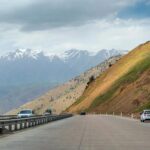
Start with the pass, where the road winds through dramatic scenery—think jagged peaks, alpine meadows, and sweeping views that make you feel on top of the world. At the summit, stop for photos; the air is crisp, and you might spot shepherds with flocks of sheep. En route, pause at a roadside bazaar for fresh mountain herbs, spices, and dried fruits—Uzbekistan’s bounty at its finest. For lunch, indulge in tandyr-cooked lamb stew, slow-roasted in clay ovens, paired with flatbread and pickled vegetables. It’s hearty, flavorful, and a culinary highlight of the trip.


Arrive in Shahrisabz (Green City), Timur’s birthplace, around 40-50 minutes later. The city’s name reflects its lush surroundings, dotted with orchards and vineyards—a stark contrast to arid Samarkand. Here, explore the Ak-Saray Palace ruins, commissioned by Timur in the 14th century as a symbol of his power. Though much of it crumbled over time, the remaining fragments—massive portals and ornate facades—are awe-inspiring, with intricate carvings and blue tiles that echo Samarkand’s style. The complex now includes a memorial museum dedicated to Timur, showcasing artifacts like weapons, manuscripts, and portraits. Adjacent are the Dorus-Siydat and Dorut-Tilavat mausoleums, resting places for Timur’s relatives, with their domed roofs and minarets offering serene spots for reflection.
Wander the park grounds, where you’ll find more exhibits on Timurid history, including replicas of ancient artifacts. As someone who’s studied Central Asian history, I appreciate how Shahrisabz humanizes Timur—not just as a ruthless warrior, but as a patron of arts who built observatories and libraries. The surrounding villages in the Miraki Mountains add another layer: terraced fields, stone houses, and traditional life unchanged for centuries. I once stayed overnight in a homestay, learning about local weaving and sampling homemade wine from the region’s grapes. It’s a reminder that these suburbs aren’t relics—they’re living communities.


After soaking in the history and culture around Samarkand, you might find yourself craving a day immersed in nature’s tranquility. For that, Zaamin National Park is a perfect escape—just a couple of hours’ drive northeast. This park offers a refreshing contrast to the city’s vibrant energy, inviting you to breathe in the crisp mountain air, wander through juniper forests, and marvel at dramatic canyons and turquoise reservoirs.
From personal experience, Zaamin is a sanctuary for those who love hiking, photography, and simply unplugging. Imagine strolling beneath towering juniper trees in the Archa-Boshi forest, the scent of pine needles filling the air. Nearby, the Zaamin Reservoir shimmers with an almost surreal bright blue hue, framed by rugged cliffs—a sight that makes you pause and appreciate nature’s palette.
One of the park’s highlights is the Ungurtas Plateau, where panoramic mountain vistas unfold. I recommend hiking here early in the morning when the light softens the landscape, perfect for photos or quiet contemplation. Don’t miss the Shirinbulak spring and the alpine meadow of Beshbulak, where wildflowers bloom in summer, creating a colorful carpet against the backdrop of soaring peaks.
For the adventurous, there’s a cable car ride that offers breathtaking aerial views, followed by crossing a “flying” suspension bridge with a glass floor—a thrilling experience that had my heart pounding in delight. After working up an appetite, indulge in tender lamb slow-cooked in a tandyr oven, a local specialty that tastes even better after a day outdoors.
If you’re seeking a day to reset your senses, Zaamin National Park delivers a blend of serenity, adventure, and natural beauty that’s hard to match.
Just 40 kilometers from Samarkand lies the Zarafshan Nature Reserve, a haven for wildlife enthusiasts and anyone looking to connect with Uzbekistan’s diverse fauna. Unlike the more tourist-heavy historical sites, this reserve offers a refreshing change: no crowds, no rush, just the quiet company of nature.
On my visits, I’ve been lucky to spot some of the reserve’s 207 bird species and 24 mammal species. From the elusive steppe cat and the sly fox to the charming Bukhara deer—reintroduced here in the early 2000s—the reserve is a living zoo where animals roam freely and often unbothered by human presence. I once spent a peaceful afternoon photographing a family of ostriches and llamas, their curious eyes watching me as much as I watched them.
After exploring, I recommend settling down for a picnic amid the reserve’s tranquil settings. Pack some fresh bread, local cheese, and fruit, and enjoy a moment of calm surrounded by the gentle sounds of birdsong and rustling leaves. It’s an ideal spot for reflection and capturing memorable photos.
The round trip takes about two hours, making Zarafshan Reserve a perfect half-day or full-day excursion for nature lovers.


For the truly intrepid, why not cross borders on a day trip to the Fan Mountains in neighboring Tajikistan? Known locally as Haftkul or the Seven Lakes, this alpine paradise offers some of Central Asia’s most stunning natural scenery. Despite being in another country, the proximity to Samarkand makes it accessible for a one-day excursion, and I can personally vouch for its breathtaking beauty.
The journey takes you through mountain villages where locals welcome visitors with warm smiles and stories of life in these rugged elevations. You’ll have a chance to discuss traditional mountain customs, debunk stereotypes, and witness firsthand the resilience of communities living in harmony with nature.
The lakes themselves are a series of vibrant blue alpine bodies of water, each with its own charm. The first six lakes are connected by a drivable road, but reaching the seventh requires a 2.5-kilometer hike—well worth the effort for the panoramic views at the summit. I recall the crisp mountain air and the sparkling reflections on the water, a scene so pristine it felt like stepping into a postcard.
This excursion is a reminder that Central Asia’s wonders extend beyond borders and that nature’s grandeur is a universal language.
Back in the Samarkand region, history isn’t confined to monuments—it lives in the hands of artisans preserving traditions that date back over a millennium. One fascinating stop is the village of Konigil, famed for its ancient paper-making craft. Here, you’ll witness how local masters transform mulberry bark into the delicate silk paper that Samarkand has been renowned for since the 8th century.
During my visit, I participated in a workshop where each step—from selecting and soaking plant fibers to pressing and drying the sheets—was demonstrated with care and pride. It’s a humbling experience that connects you to centuries of craftsmanship and the knowledge passed down through generations. You don’t just observe; you create, leaving with a handmade souvenir imbued with history.
To continue this journey through Uzbek artisanal heritage, I recommend visiting the workshop of Usta Sukhrab, a master craftsman of traditional Uzbek chests. His exquisite carvings and intricate patterns are a testament to the enduring artistry of the region. Under his guidance, I crafted a small eastern-style box, a keepsake symbolizing the fusion of culture and creativity. This hands-on experience deepened my appreciation for the skill and patience required to keep these crafts alive.
Venturing beyond the urban bustle, you can step into the timeless world of the Central Asian nomads—a journey that combines ancient history, cultural immersion, and natural wonder. One of the most magical experiences awaits near the vast Kyzylkum Desert, where Lake Aydarkul emerges like a shimmering oasis amid endless sand dunes.
On the Road to the Yurt Camp
Your adventure begins with a visit to the tranquil village home to the mosque named after Hasan and Husayn, revered companions of the Prophet Muhammad. This serene spot, shaded by majestic centuries-old plane trees, exudes a spiritual calm that invites quiet reflection.
Next, explore the ancient petroglyphs of Sarmishsay near Nurata, a remarkable open-air gallery boasting over 3,000 rock carvings dating back to the Bronze Age. Nurata itself is steeped in legend—said to be founded by Alexander the Great as a strategic base before his siege of Samarkand. Wander through its historic streets, visit a pool filled with golden fish, and a sacred spring believed to have healing powers. Climbing the fortress walls offers sweeping views of the surrounding landscapes, making history come alive in panoramic form.
Arrival at the Yurt Camp: Embracing Nomadic Life
After a hearty lunch in a cozy teahouse, traverse desert landscapes where camels may cross your path, until you reach the yurt camp nestled near Lake Aydarkul. Here, the hum of modern life fades away—cell service is spotty, and the vastness of the desert envelops you.
You will be welcomed into a traditional yurt, a circular felt tent that has sheltered nomads for centuries. Over cups of steaming tea, fresh baursaks (fried dough treats), and kumis (fermented mare’s milk), the local akyn (poet-musician) and village elders share tales of nomadic customs, survival skills, and the rhythms of desert life.
As the sun dips below the dunes, painting the sky in hues of amber and rose, you’ll savor a glass of wine if you wish, and listen to the haunting melodies of the dombra—a two-stringed instrument—around a crackling campfire. The star-studded sky above is a spectacle few city dwellers ever witness, offering a profound sense of peace and connection to the cosmos.
At dawn visit Lake Aydarkul, a vast artificial reservoir stretching 200 kilometers long and 15 kilometers wide, nestled in the southeastern edge of the Kyzylkum Desert. The lake’s warm, crystal-clear waters invite a refreshing swim, a surreal experience surrounded by rolling sand dunes and endless blue skies.
After lunch back at camp, it’s time to return, carrying with you memories of a night under the stars and the gentle embrace of desert hospitality.
For those eager to explore Uzbekistan’s wild heart, a trip to the red canyons of Darband in the southwestern Gissar Mountains offers an unforgettable encounter with nature and spirituality. This four-hour journey (about 260 kilometers) reveals landscapes so raw and majestic they defy easy description.
Darband Gorge: The “Closed Door” – The name “Darband” means “closed door” in Tajik, a fitting title for this labyrinthine canyon that once guarded a vital caravan route linking Sogdiana with India. The locals were the guardians of this passage, and today, the area retains its aura of mystery and power.
Walking through narrow gorges and twisting rock formations, you feel the weight of history and nature’s might. This is a place where time slows, and the wild beauty of Central Asia is on full display.
Khozhimoy Ota Sanctuary – Deep within Darband lies the Khozhimoy Ota sanctuary, a sacred site surrounded by towering cliffs. Here, terraced burial grounds and a cave with an underground lake evoke reverence and wonder. Pilgrims from across the region come to seek blessings, and visitors are welcomed to share in the solemn atmosphere.
Kaptarhona Canyon: Home of the Wild Pigeons – Named after the wild pigeons that once nested here, Kaptarhona Canyon is a maze of narrow paths, rocky outcrops, and boulders. Nearby, traditional mountain villages have preserved their way of life for centuries, offering genuine hospitality and a glimpse into enduring mountain cultures.
Planning Your Trip: Starting early in the morning is essential to make the most of this remote destination. The return to Samarkand can be comfortably managed by taking a night train. For those wishing to linger, overnight stays in guesthouses within the mountain villages provide an immersive experience that enriches the journey.
In my years of traveling, Samarkand’s suburbs have consistently provided the most profound experiences—far richer than any crowded city tour. They offer a chance to connect with Uzbekistan’s agricultural roots, spiritual sites, and cinematic history, all while enjoying unspoiled nature and warm hospitality. Whether you’re chasing ancient trees, heart-shaped rocks, or Timur’s echoes, these spots promise memories that linger long after you leave. So, if you’re planning a trip, carve out those extra days—your soul will thank you. Pack your curiosity, and let these hidden gems reveal the true magic of the Silk Road. Safe travels, fellow explorer!